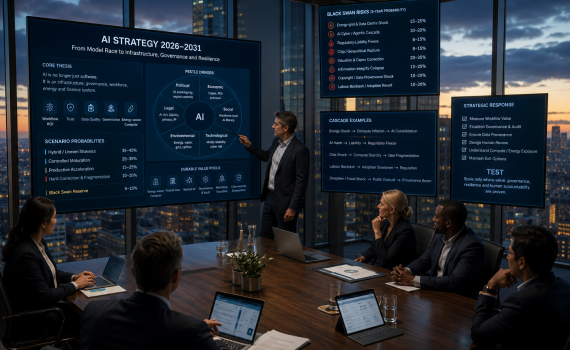
AI in June 2026 has moved beyond software hype into infrastructure, governance, energy, finance and workforce transformation. This article explores the current state of AI, the most likely futures through 2031, and the risks that could reshape the industry.
Reference
70 posts
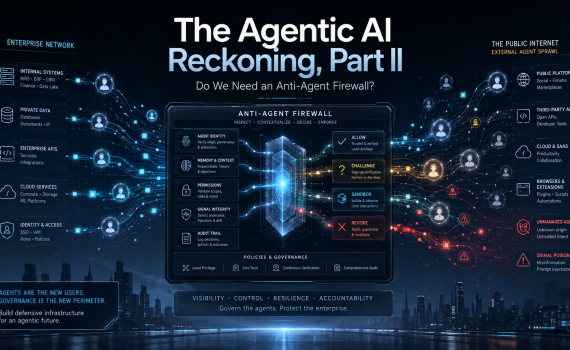
AI agents are moving beyond chatbots into systems that can act, call tools, store memory, trigger workflows, and influence public signals. This article explores the rise of agentic threats, external agent sprawl, information bombs, and the emerging debate over whether we need an Anti-Agent Firewall.
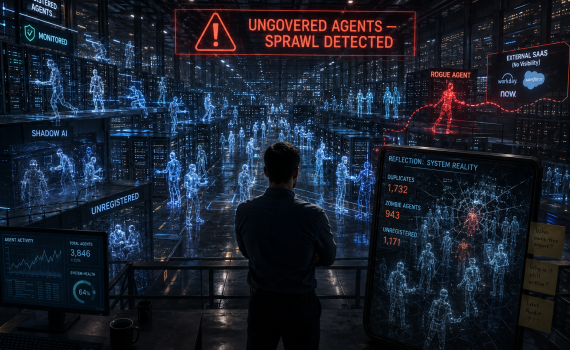
Agentic AI is transforming the enterprise, but governance is lagging behind adoption. As organizations deploy thousands of AI agents across SaaS platforms, RPA workflows, embedded applications, and emerging vibe-coded solutions, a new risk is emerging: AI Agent Sprawl. This article explores why AI governance, agent registries, ownership, security, auditing, and lifecycle management will become essential capabilities for every modern enterprise.
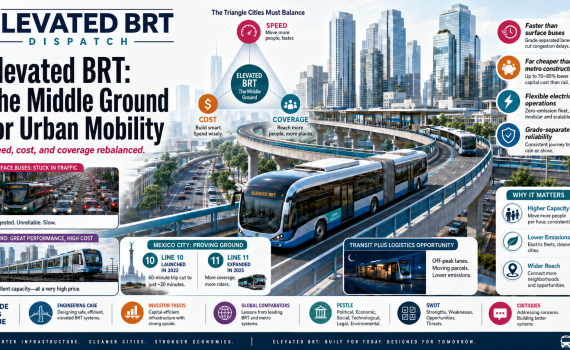
Elevated BRT could become one of the most practical urban mobility tools for cities that need rail-like reliability without full metro costs. Mexico City’s Trolebús Elevado shows how grade-separated electric buses can cut journey times, improve access, support underserved districts, and even open new logistics opportunities when infrastructure is underused.

Vibe coding can turn ideas into working software fast, but a working screen is not the same as a safe product. This article explains how founders, solo builders, citizen developers and enterprise teams can use AI app builders responsibly by applying release gates, test scripts, documentation, privacy checks, access controls and human review before real users or real data are involved.
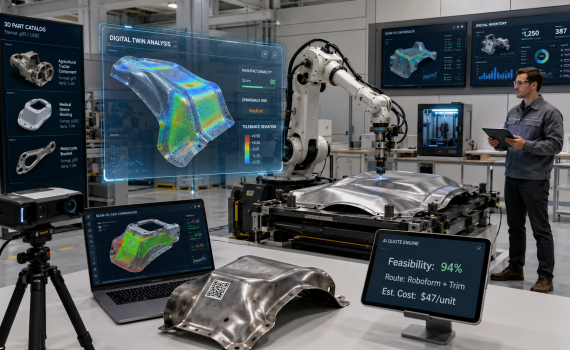
A new manufacturing stack is emerging where products are scanned, modelled, simulated, visualized, produced, inspected and stored as reusable digital artifacts. This article explains the rise of the Robotic Product Foundry and why it matters for local production, global supply chains, the Global South and the future workforce.