
AI has made prototypes cheap. The difficult work remains: turning lawful evidence, user needs and modern architecture into a product that enterprises can trust, support and adopt.
Software
93 posts
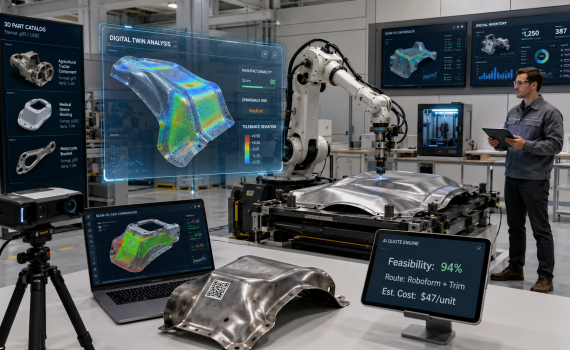
A new manufacturing stack is emerging where products are scanned, modelled, simulated, visualized, produced, inspected and stored as reusable digital artifacts. This article explains the rise of the Robotic Product Foundry and why it matters for local production, global supply chains, the Global South and the future workforce.
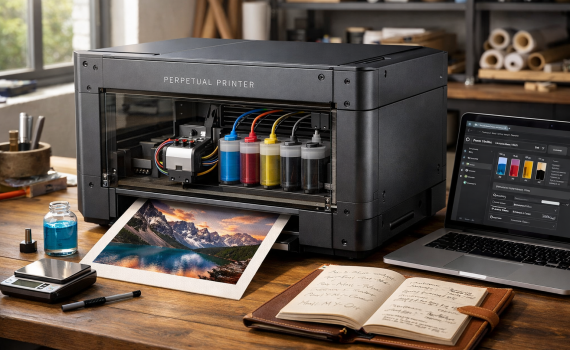
The Perpetual Printer challenges the disposable printer model with a repairable, modular, open-source design built for long-term ownership. Instead of locking users into cartridges, subscriptions, and short product lifecycles, it proposes a durable platform with refillable ink, swappable components, AI-assisted maintenance, and a community-powered upgrade ecosystem.

Vibe coding has made software creation faster than ever, but it has also made it easier to confuse something that works with something that is safe, scalable, and ready for real users. This article examines what vibe coding actually is, where it breaks down, and how non-programmers, solo programmers, citizen developers, and enterprise teams can use it responsibly. It covers requirements, governance, security, accessibility, demo versus MVP versus production, and the Two-AI workflow as a practical way to stay agile without losing control.
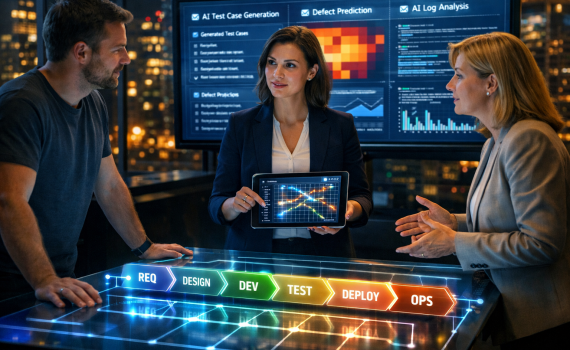
Artificial intelligence is reshaping software delivery, and QA is at the center of that shift. This article explores how testing is evolving from manual execution and defect detection into a broader quality intelligence discipline focused on risk, governance, traceability, explainability, and human judgment.
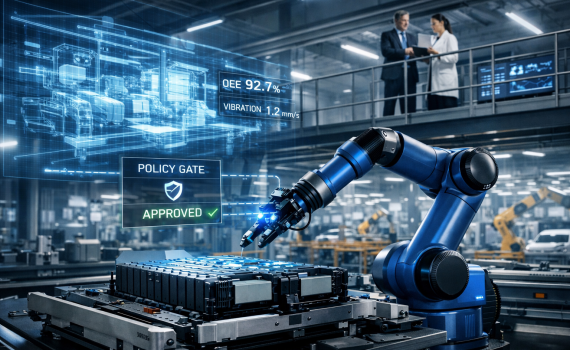
Manufacturing is becoming the next major frontier for AI. This article explores how digital twins, robotics, and industrial intelligence platforms are converging to reshape production, compress engineering cycles, and create a new class of software-defined industrial companies.