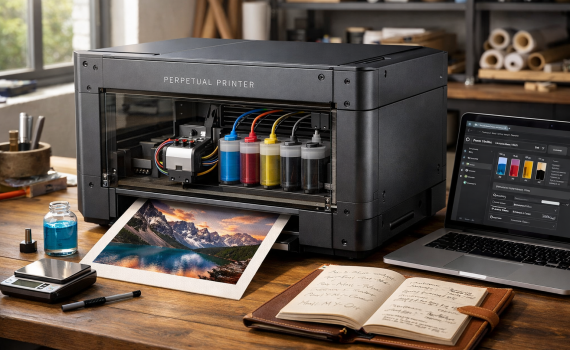
The Perpetual Printer challenges the disposable printer model with a repairable, modular, open-source design built for long-term ownership. Instead of locking users into cartridges, subscriptions, and short product lifecycles, it proposes a durable platform with refillable ink, swappable components, AI-assisted maintenance, and a community-powered upgrade ecosystem.
circular economy
19 posts
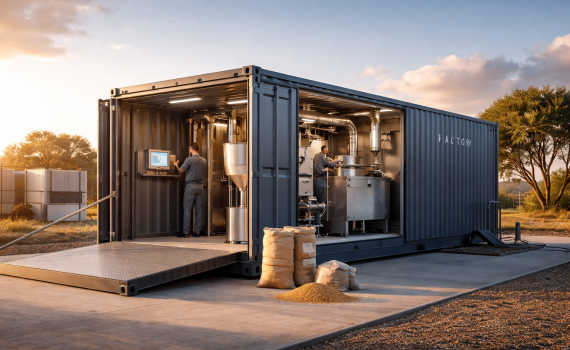
Modular manufacturing is not about putting machinery into a steel shell. It is about turning production into a repeatable, financeable, movable asset. This article explains why developed economies adopt modular systems for flexibility, resilience, and faster launch, while the Global South adopts them for industrial access, infrastructure bypass, and local value capture. It also shows where modular wins, where it fails, and how to scale from one unit to a fleet without losing the economics of standardisation.
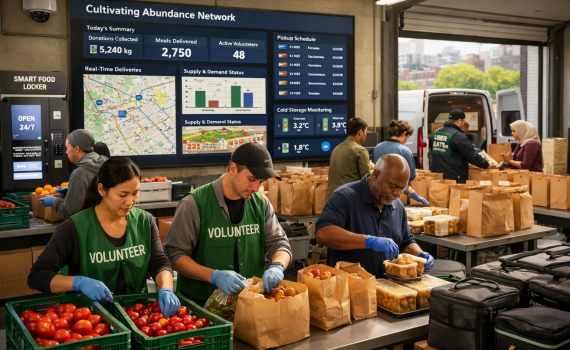
Soup kitchens can do more than serve hot meals. This framework shows how they can convert near expiry surplus into frozen meals and operate a reliable delivery pipeline for homebound individuals using AI, cold chain infrastructure, and coordinated logistics.
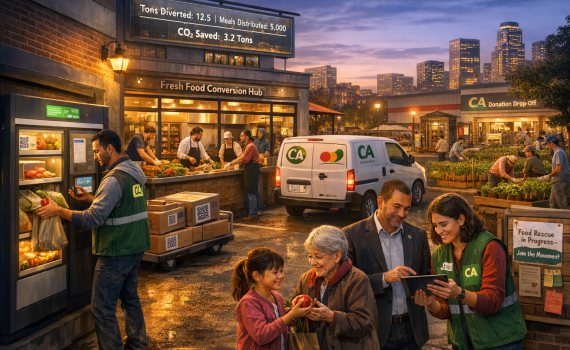
Cities already produce enough food, yet waste and hunger coexist. The Cultivating Abundance framework treats food access as infrastructure, not charity. It aligns policy, logistics, technology, and community networks into a measurable, city scale resilience system.

Q1 2026 will reward businesses tied to real demand drivers like AI infrastructure, energy reliability, logistics, healthcare access, and compliance. This edition maps high-potential business bets across major world regions, split into small, medium, and large opportunity bands, including portability signals and risk tags to guide execution.
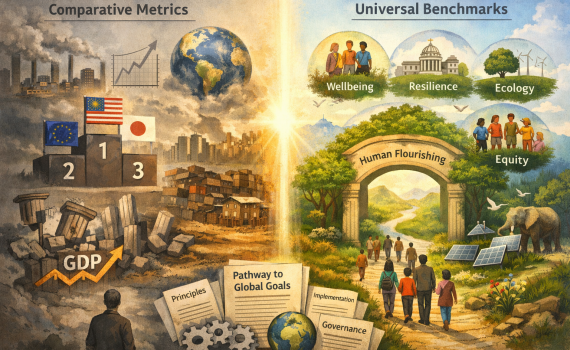
For decades, development has been measured by ranking countries against one another. This article argues that such comparisons are no longer viable—and proposes universal, non-comparative benchmarks grounded in planetary boundaries, human dignity, and adaptive capacity as a new foundation for global progress.