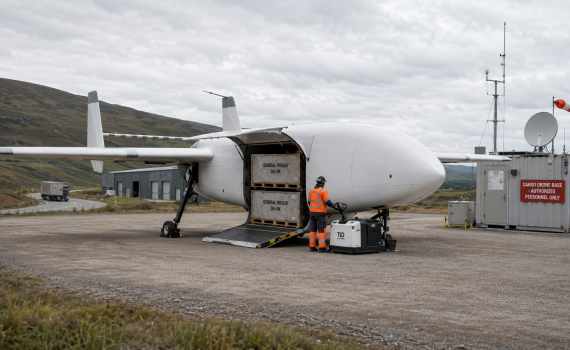
Cargo drones are shifting from experimental pilots to early commercial logistics systems. This article explores their market landscape, technology stack, infrastructure needs, regulatory challenges, stakeholders and realistic path to scale.
Development Ideas
86 posts
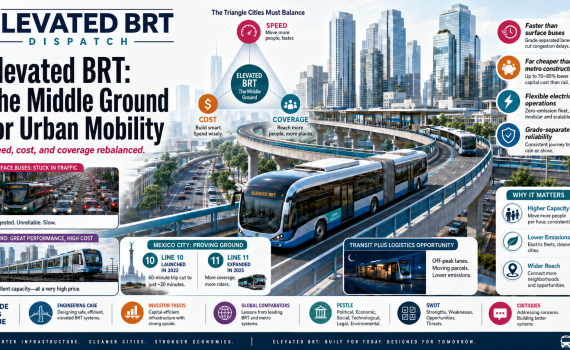
Elevated BRT could become one of the most practical urban mobility tools for cities that need rail-like reliability without full metro costs. Mexico City’s Trolebús Elevado shows how grade-separated electric buses can cut journey times, improve access, support underserved districts, and even open new logistics opportunities when infrastructure is underused.

Dryland regeneration begins with a simple shift in thinking: the first crop is infiltration. This article examines how half-moon bunds, zai pits, contour stone lines, farmer-managed natural regeneration, resilient crops, managed grazing, fog harvesting, recycled water, and carefully governed renewable water systems can turn degraded drylands into productive living landscapes. It also warns against spectacle-driven restoration, arguing that successful regeneration depends on water budgets, soil repair, local ownership, ecological safeguards, and livelihood pathways.
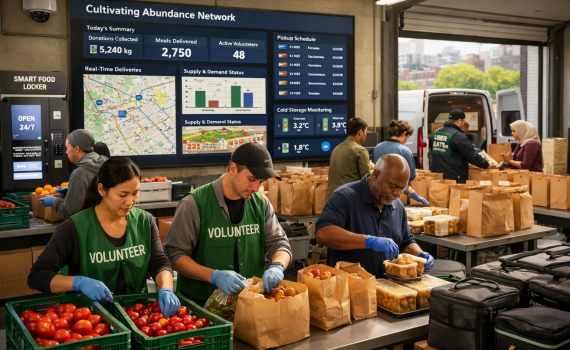
Soup kitchens can do more than serve hot meals. This framework shows how they can convert near expiry surplus into frozen meals and operate a reliable delivery pipeline for homebound individuals using AI, cold chain infrastructure, and coordinated logistics.
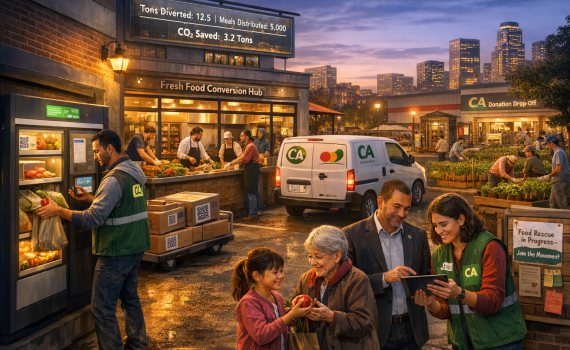
Cities already produce enough food, yet waste and hunger coexist. The Cultivating Abundance framework treats food access as infrastructure, not charity. It aligns policy, logistics, technology, and community networks into a measurable, city scale resilience system.
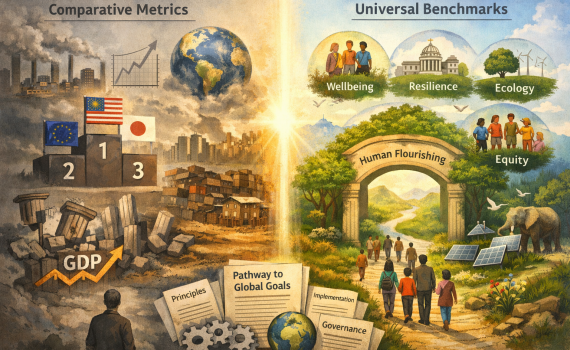
For decades, development has been measured by ranking countries against one another. This article argues that such comparisons are no longer viable—and proposes universal, non-comparative benchmarks grounded in planetary boundaries, human dignity, and adaptive capacity as a new foundation for global progress.