
Organisations hire contractors and consultants for specific deliverables, but their wider experience can offer value beyond the original assignment. Equally, consultants learn from the organisations they serve. The Knowledge Dividend explores this two-way exchange, the opportunities often overlooked, and how organisations can make knowledge transfer worthwhile without introducing unnecessary bureaucracy.
Future of Work
28 posts

AI has made prototypes cheap. The difficult work remains: turning lawful evidence, user needs and modern architecture into a product that enterprises can trust, support and adopt.
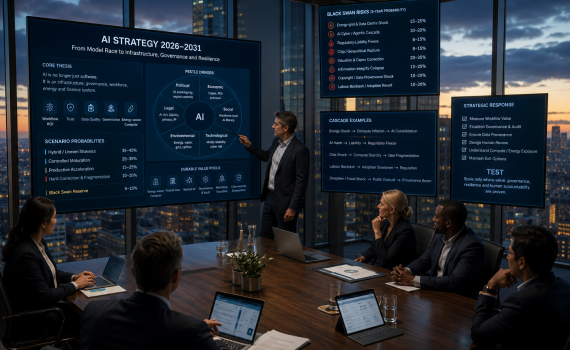
AI in June 2026 has moved beyond software hype into infrastructure, governance, energy, finance and workforce transformation. This article explores the current state of AI, the most likely futures through 2031, and the risks that could reshape the industry.
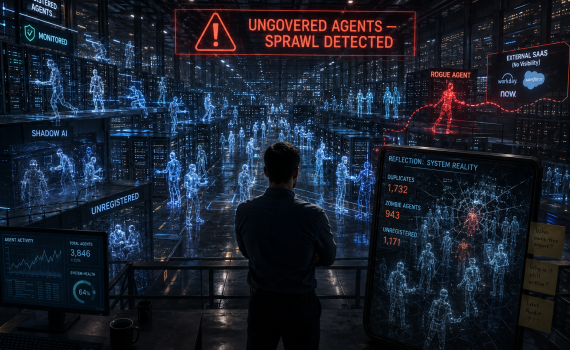
Agentic AI is transforming the enterprise, but governance is lagging behind adoption. As organizations deploy thousands of AI agents across SaaS platforms, RPA workflows, embedded applications, and emerging vibe-coded solutions, a new risk is emerging: AI Agent Sprawl. This article explores why AI governance, agent registries, ownership, security, auditing, and lifecycle management will become essential capabilities for every modern enterprise.
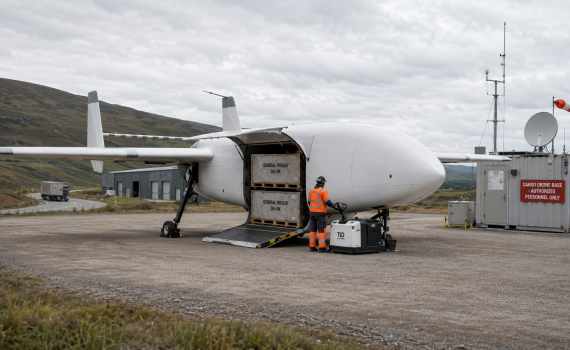
Cargo drones are shifting from experimental pilots to early commercial logistics systems. This article explores their market landscape, technology stack, infrastructure needs, regulatory challenges, stakeholders and realistic path to scale.
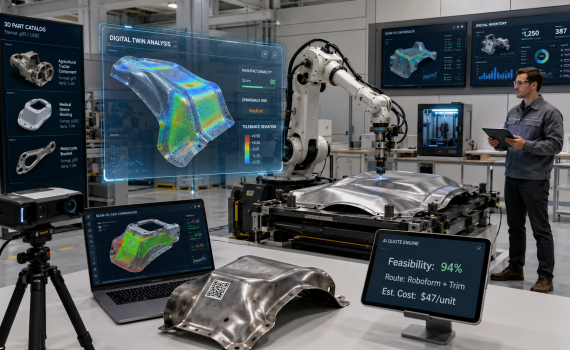
A new manufacturing stack is emerging where products are scanned, modelled, simulated, visualized, produced, inspected and stored as reusable digital artifacts. This article explains the rise of the Robotic Product Foundry and why it matters for local production, global supply chains, the Global South and the future workforce.