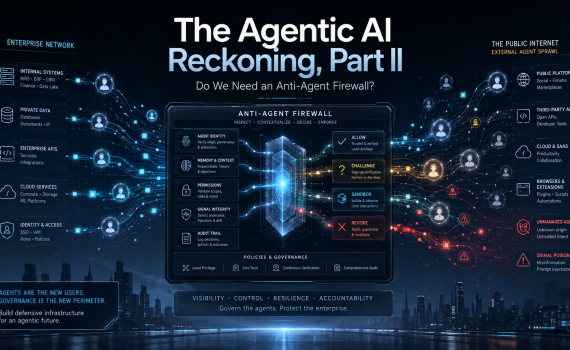
AI agents are moving beyond chatbots into systems that can act, call tools, store memory, trigger workflows, and influence public signals. This article explores the rise of agentic threats, external agent sprawl, information bombs, and the emerging debate over whether we need an Anti-Agent Firewall.
ai safety
6 posts

Vibe coding can turn ideas into working software fast, but a working screen is not the same as a safe product. This article explains how founders, solo builders, citizen developers and enterprise teams can use AI app builders responsibly by applying release gates, test scripts, documentation, privacy checks, access controls and human review before real users or real data are involved.

This article develops the synthetic organism as a disciplined alternative to both speculative AGI and shallow agentic automation. Building from the Abstraction Fallacy, it argues that AI systems should not claim consciousness through scale, complexity, or embodiment. Instead, artificial agency can be designed as a governed, memory-bearing, context-aware, and auditable system bounded by what creators can describe, test, supervise, and govern.
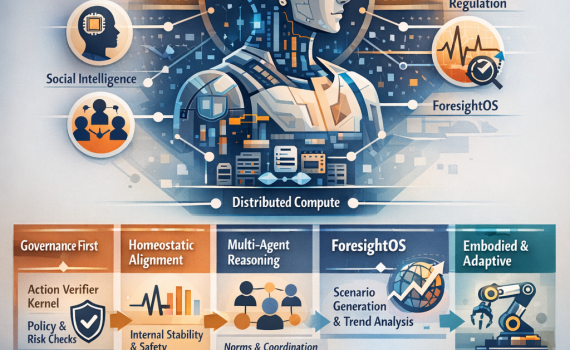
Most AI agents still behave like clever chat systems with tools. This article lays out a governed organism style architecture that treats regulation, memory, identity, social reasoning, and foresight as first class system layers. You get a deployable stack for digital twins and high stakes environments, with verifiable action selection and long horizon coherence.
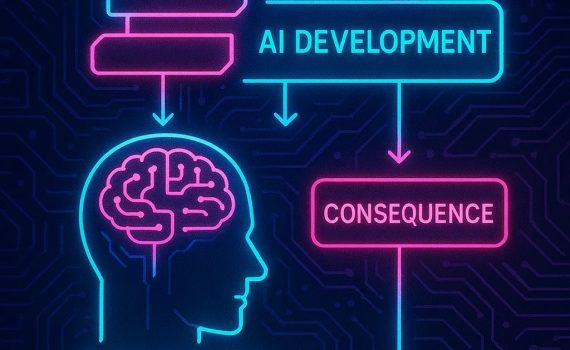
Trust in AI will not come from better prompts. It will come from systems that can prove they are safe, fair, and accountable at scale.
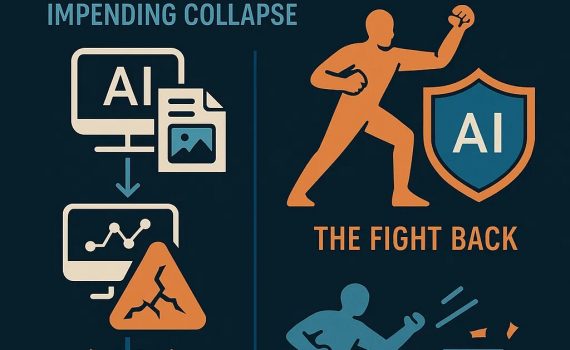
As AI floods the internet with synthetic content, future models risk learning from degraded data. This article explores the hidden data crisis threatening long term AI progress.