
AI has made prototypes cheap. The difficult work remains: turning lawful evidence, user needs and modern architecture into a product that enterprises can trust, support and adopt.
AI governance
23 posts

AI in June 2026 has moved beyond software hype into infrastructure, governance, energy, finance and workforce transformation. This article explores the current state of AI, the most likely futures through 2031, and the risks that could reshape the industry.
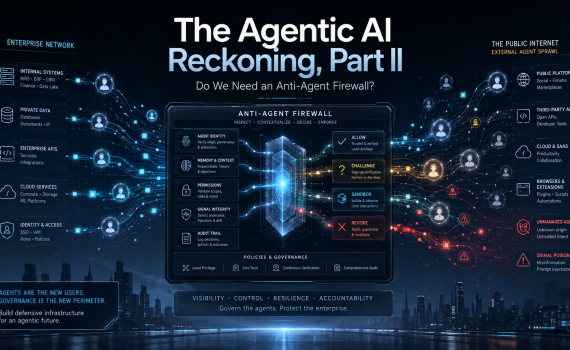
AI agents are moving beyond chatbots into systems that can act, call tools, store memory, trigger workflows, and influence public signals. This article explores the rise of agentic threats, external agent sprawl, information bombs, and the emerging debate over whether we need an Anti-Agent Firewall.
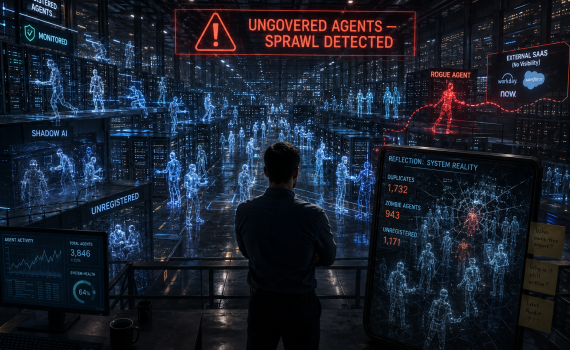
Agentic AI is transforming the enterprise, but governance is lagging behind adoption. As organizations deploy thousands of AI agents across SaaS platforms, RPA workflows, embedded applications, and emerging vibe-coded solutions, a new risk is emerging: AI Agent Sprawl. This article explores why AI governance, agent registries, ownership, security, auditing, and lifecycle management will become essential capabilities for every modern enterprise.

Vibe coding can turn ideas into working software fast, but a working screen is not the same as a safe product. This article explains how founders, solo builders, citizen developers and enterprise teams can use AI app builders responsibly by applying release gates, test scripts, documentation, privacy checks, access controls and human review before real users or real data are involved.

This article develops the synthetic organism as a disciplined alternative to both speculative AGI and shallow agentic automation. Building from the Abstraction Fallacy, it argues that AI systems should not claim consciousness through scale, complexity, or embodiment. Instead, artificial agency can be designed as a governed, memory-bearing, context-aware, and auditable system bounded by what creators can describe, test, supervise, and govern.