
Domestic robots are already useful in narrow roles. The challenge is not building a general household helper, but proving which tasks deserve a physical machine and what support system makes it safe.
Artificial Intelligence
6 posts
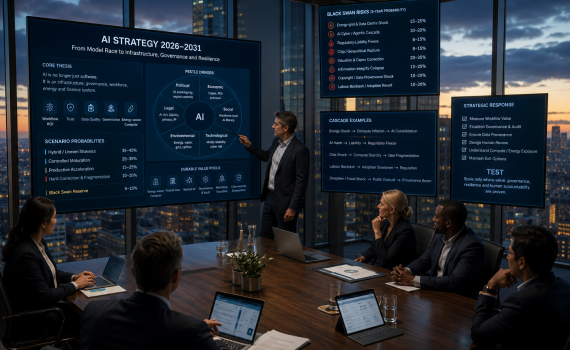
AI in June 2026 has moved beyond software hype into infrastructure, governance, energy, finance and workforce transformation. This article explores the current state of AI, the most likely futures through 2031, and the risks that could reshape the industry.
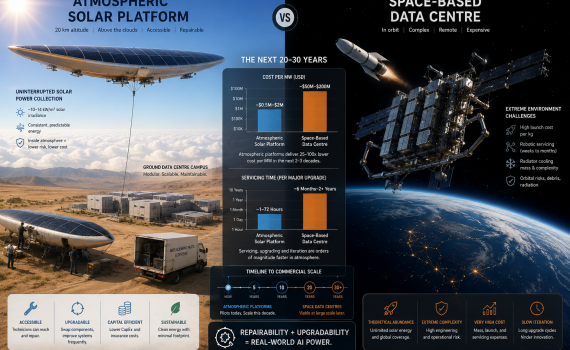
Artificial Intelligence is creating unprecedented demand for electricity, forcing governments, hyperscalers, and researchers to rethink how future data centres will be powered. While orbital data centres and space-based solar power capture public imagination, atmospheric solar platforms may offer a more practical, scalable, and economically viable solution over the next two decades. This article compares atmospheric, ocean-based, terrestrial, nuclear, and space energy architectures to determine which technologies are best positioned to support the next generation of AI infrastructure.

This article develops the synthetic organism as a disciplined alternative to both speculative AGI and shallow agentic automation. Building from the Abstraction Fallacy, it argues that AI systems should not claim consciousness through scale, complexity, or embodiment. Instead, artificial agency can be designed as a governed, memory-bearing, context-aware, and auditable system bounded by what creators can describe, test, supervise, and govern.
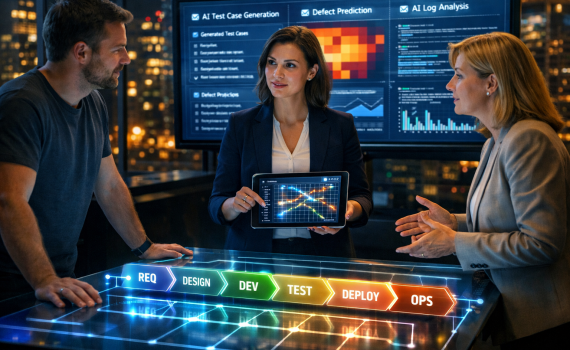
Artificial intelligence is reshaping software delivery, and QA is at the center of that shift. This article explores how testing is evolving from manual execution and defect detection into a broader quality intelligence discipline focused on risk, governance, traceability, explainability, and human judgment.
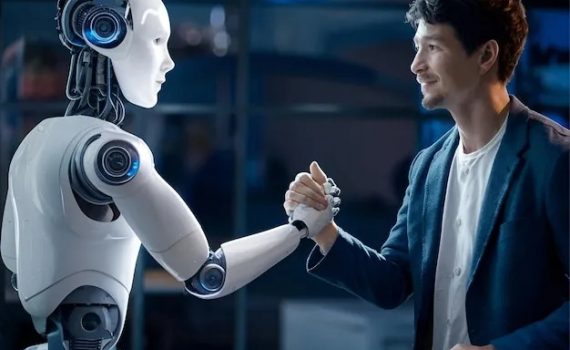
Work is on the brink of a decade of extraordinary transformation. By 2035, AI collaboration, climate-driven green jobs, and personalized learning will redefine every career. This speculative forecast maps the timeline, emerging roles, and essential skills that will shape a human-centered future of work. Discover how to navigate the change.