
Science fiction rarely invents the future by itself. Its deeper value lies in making possible futures visible before science, engineering, policy, capital and public demand align. From satellite communications to personal devices, stories give people a shared language for imagining what technology could mean in everyday life. This article explores how speculative fiction shapes innovation, why resemblance is not the same as causation, and how writers, designers, researchers, educators and policymakers can use speculative practice responsibly.
business architecture
5 posts

Organisations hire contractors and consultants for specific deliverables, but their wider experience can offer value beyond the original assignment. Equally, consultants learn from the organisations they serve. The Knowledge Dividend explores this two-way exchange, the opportunities often overlooked, and how organisations can make knowledge transfer worthwhile without introducing unnecessary bureaucracy.

State of Play moves beyond market reports. It links evidence, scenarios, risk and organisational capability so leaders can test strategic options before committing capital, policy or resources.

This article maps the shift from Business Analyst to Business Architect, showing how analysts can move from project delivery to enterprise design without abandoning their core skills.
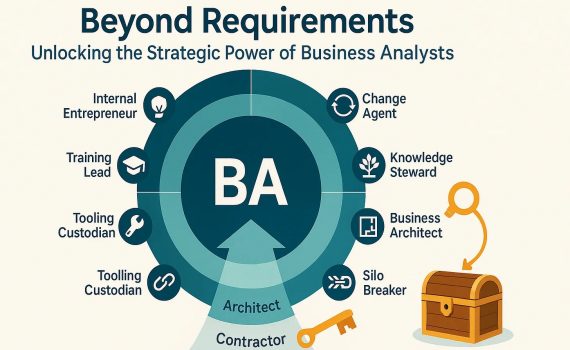
Business Analysts are among the most underused strategic assets in modern organisations. This article shows how expanding the BA role unlocks innovation, reduces waste, and builds lasting institutional intelligence.