
The future begins before the brief. It starts when someone notices a tension, gives a possibility form, and lets others test what it might mean for people, institutions and everyday life.
Strategic Foresight
9 posts

Science fiction rarely invents the future by itself. Its deeper value lies in making possible futures visible before science, engineering, policy, capital and public demand align. From satellite communications to personal devices, stories give people a shared language for imagining what technology could mean in everyday life. This article explores how speculative fiction shapes innovation, why resemblance is not the same as causation, and how writers, designers, researchers, educators and policymakers can use speculative practice responsibly.

The future rarely arrives fully formed. Before the moonshot becomes real, something quieter usually ships first: a teleoperated robot, an AI-assisted design tool, a diagnostic kiosk, or a narrow infrastructure layer that solves today’s problem while preparing the ground for tomorrow’s breakthrough. This article introduces the bridge economy: the overlooked layer of transitional technologies that sit between current constraints and ultimate technological ambitions.
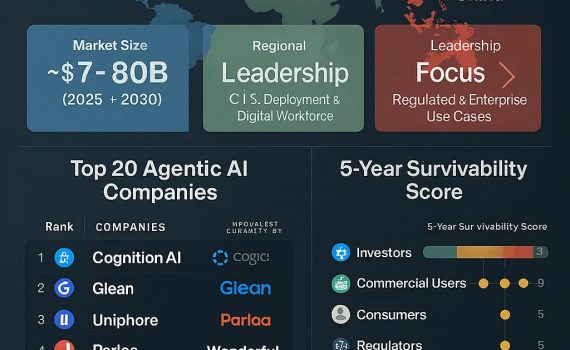
This Business Idea Scout Chronicle analyzes which agentic AI companies are likely to survive and scale over the next five years, and which face consolidation or failure.

What if the next breakthrough is not a new technology, but a shared way for people to see, reason, and act together. Collective Flourishing reframes progress as coordination, not innovation alone.

This speculative timeline maps how drones move from pilots and projects to embedded infrastructure across health, agriculture, cities, and climate systems between 2025 and 2040.