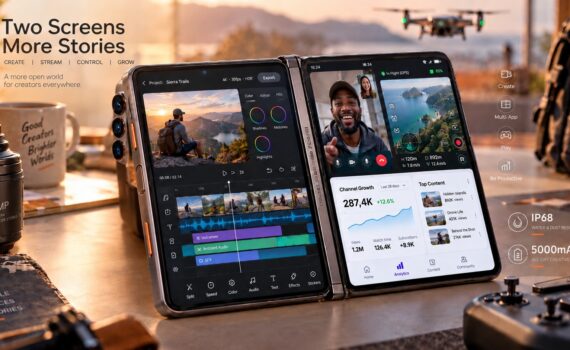
Could two discrete smartphone screens offer more value than expensive foldables? As Android multitasking matures and the creator economy grows, dual-screen smartphones could make a comeback. This analysis examines their potential for content creators, entrepreneurs and mobile-first professionals across the Global South, exploring hardware design, software readiness, affordability and the business case for a new generation of mobile workstations.
Raw Ideas
104 posts

State of Play moves beyond market reports. It links evidence, scenarios, risk and organisational capability so leaders can test strategic options before committing capital, policy or resources.

ARC is a proposed affordable, right-sized world truck platform inspired by Japanese kei trucks and the Toyota Hilux Champ. Built around one modular architecture, it adapts into WorkOne for North America, EcoFlex for Europe, and StrongGo for the Global South.

Most people think ice is a simple commodity. Yet behind every restaurant, cocktail bar, hospital, event, fishery, and construction project lies a surprisingly sophisticated industry worth billions of dollars annually. This article explores the evolving ice business, from traditional bagged ice and industrial cooling to premium cocktail products, AI-powered production, robotics, sustainability initiatives, and emerging entrepreneurial opportunities across global markets.

The Perpetual Printer challenges the disposable printer model with a repairable, modular, open-source design built for long-term ownership. Instead of locking users into cartridges, subscriptions, and short product lifecycles, it proposes a durable platform with refillable ink, swappable components, AI-assisted maintenance, and a community-powered upgrade ecosystem.

Should Afro-country exist? This article examines the emergence of Afro-country as a proposed new genre through the lenses of history, market logic, cultural ethics, copyright, and Black diasporic lineage. It argues that Afro-country can only succeed if it is grounded in artistic seriousness, reciprocal acknowledgement, and African lived realities rather than novelty branding or borrowed country aesthetics.