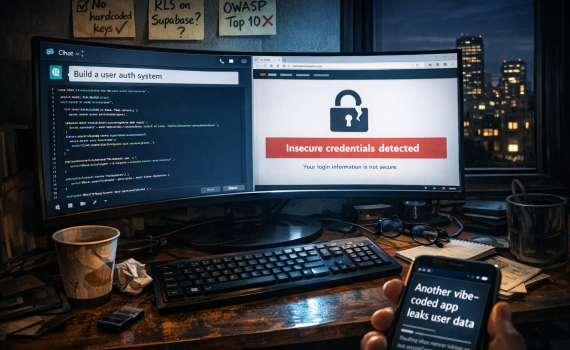
Vibe coding has made software creation faster than ever, but it has also made it easier to confuse something that works with something that is safe, scalable, and ready for real users. This article examines what vibe coding actually is, where it breaks down, and how non-programmers, solo programmers, citizen developers, and enterprise teams can use it responsibly. It covers requirements, governance, security, accessibility, demo versus MVP versus production, and the Two-AI workflow as a practical way to stay agile without losing control.
software requirements
2 posts

Part two delves into the development considerations for portable AI assistants, focusing on software requirements, hardware features, and future trends. Explore potential features, usability, and user-centric requirements for creating a seamless user experience.