
Dryland regeneration begins with a simple shift in thinking: the first crop is infiltration. This article examines how half-moon bunds, zai pits, contour stone lines, farmer-managed natural regeneration, resilient crops, managed grazing, fog harvesting, recycled water, and carefully governed renewable water systems can turn degraded drylands into productive living landscapes. It also warns against spectacle-driven restoration, arguing that successful regeneration depends on water budgets, soil repair, local ownership, ecological safeguards, and livelihood pathways.
food security
4 posts

Q1 2026 will reward businesses tied to real demand drivers like AI infrastructure, energy reliability, logistics, healthcare access, and compliance. This edition maps high-potential business bets across major world regions, split into small, medium, and large opportunity bands, including portability signals and risk tags to guide execution.
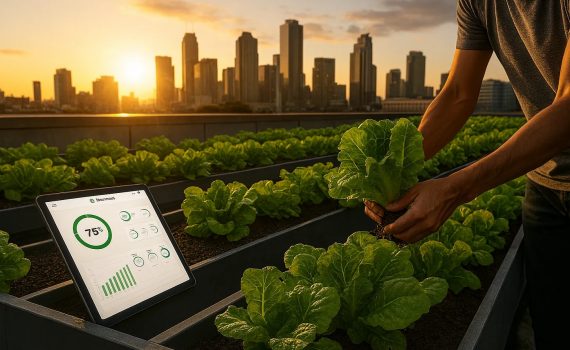
Urban farming fails not because of lack of interest, but because of complexity. This article explores an AI powered platform designed to guide city residents from curiosity to consistent food production.
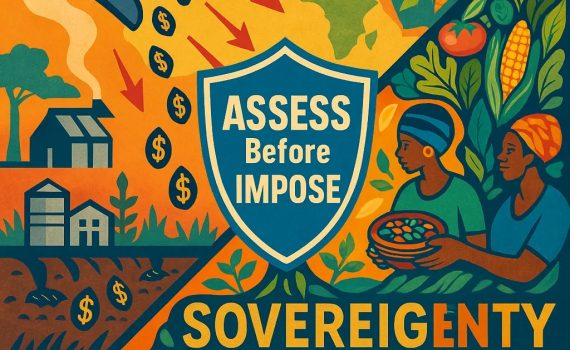
Food security in the Global South is not a technology deficit. This article argues for agricultural sovereignty built on indigenous knowledge, infrastructure, and local capacity.