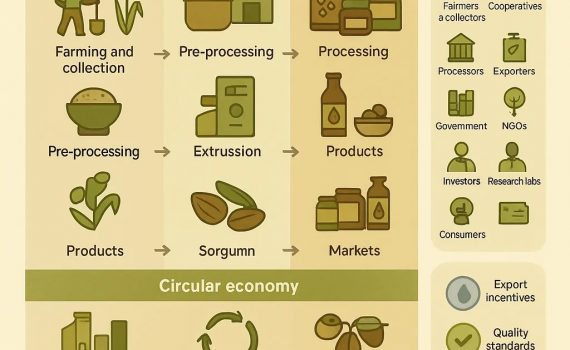
Processing millet, sorghum, and shea nuts into finished foods and ingredients multiplies incomes, creates skilled jobs, and strengthens climate resilience. This article lays out the market logic, unit economics, and scalable processing models that make value addition work.
Development Ideas
86 posts
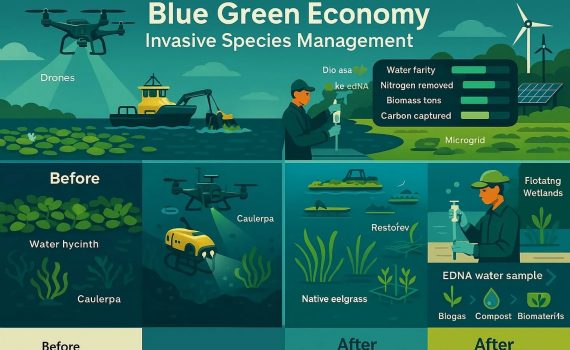
PreambleThis specification turns invasive plant control into a value engine for lakes, rivers, estuaries, and harbours. It outlines an Integrated Aquatic Biosecurity approach that starts with prevention, adds precision removal, and finishes with restoration that you can measure and monetize. The work uses eDNA for early detection, drones for mapping […]
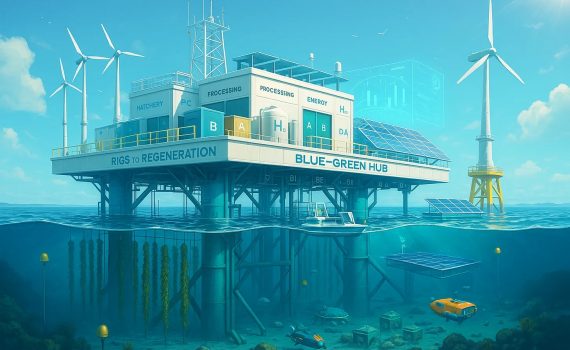
A deployable model for transforming disused offshore rigs into productive blue green hubs. The approach combines seaweed and bivalve farming, renewable microgrids, robotics, and verified MRV systems to deliver food, energy, and measurable ecosystem restoration.
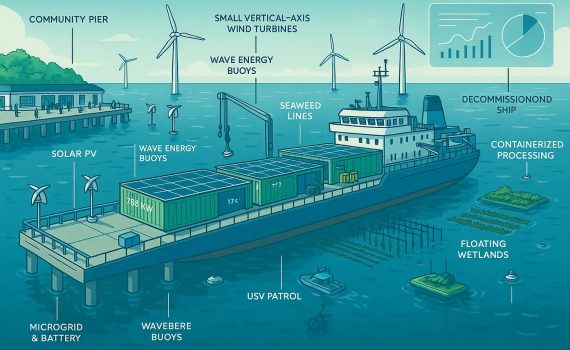
A practical, deployable blueprint for reusing abandoned piers and decommissioned ships as near shore hubs for aquaculture, ecosystem restoration, and clean energy. The model combines seaweed and bivalve farming, renewable microgrids, robotics, and a measurable MRV framework to deliver food, jobs, and cleaner coastal waters within a 12 month pilot.
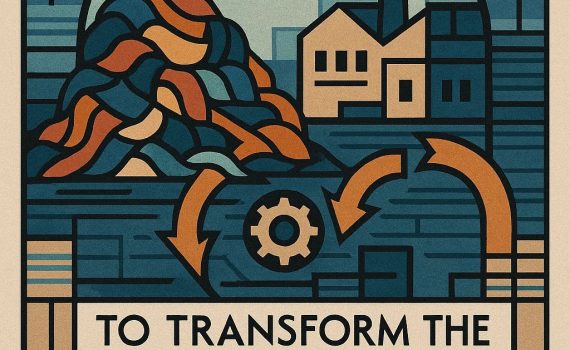
Textile waste is not a cost problem. It is a design, data, and execution problem. Textile Circularity 2.0 shows how to turn discarded clothing into premium materials.
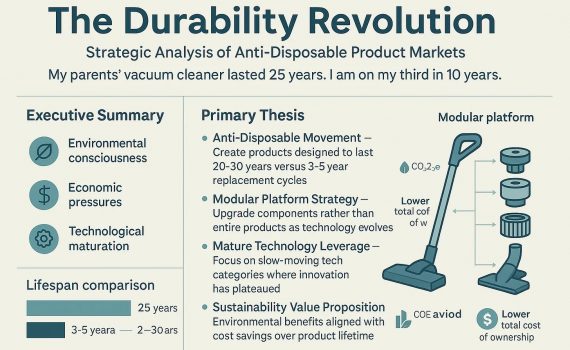
Disposable products are failing consumers and the planet. This article explores how durable, modular products create long-term value in mature markets.