
Discover how to revolutionize water scarcity solutions by becoming a net exporting economy. This comprehensive guide outlines the strategic pathway for creating a renewable-powered desalination economy, analysing profitability, environmental impact, and market potential in regions like the Middle East, North Africa, and China.
Development Ideas
86 posts
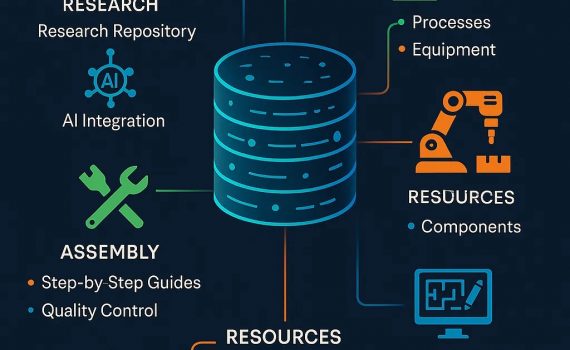
This post dives into the implementation pathways for The World Production Database, detailing strategies for integration, collaboration, and the role of AI in paving the way for a future Type I Civilization.
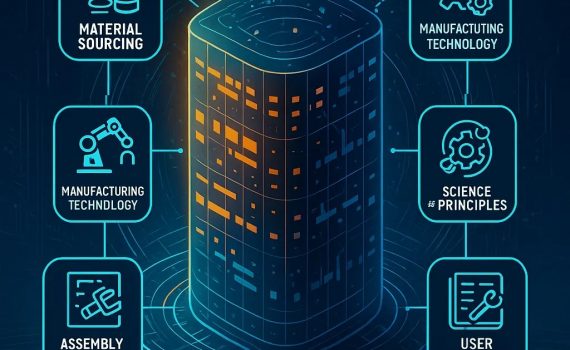
The blog post introduces the concept of a Global Production Database, a comprehensive framework designed to revolutionize manufacturing worldwide. The database is envisioned as a crucial tool for advancing toward a Type I Civilization by providing detailed information on manufacturing processes, materials, and technologies. It aims to empower hobbyists, researchers, and manufacturers by offering an open-access resource that covers everything from basic car engines to sophisticated industrial machinery. The post outlines the structure, content requirements, and potential challenges of creating such a database while highlighting its potential to foster innovation, enhance education, and promote global economic growth.
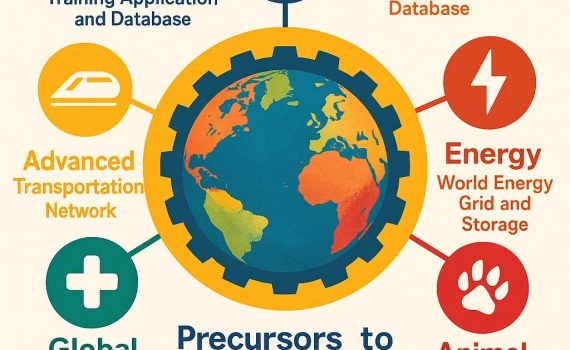
As humanity strives towards achieving a Type I Civilization, various critical precursors must be addressed. From global education and sustainable energy to advanced water management and smart cities, these initiatives are key to ensuring a prosperous and resilient future for all.
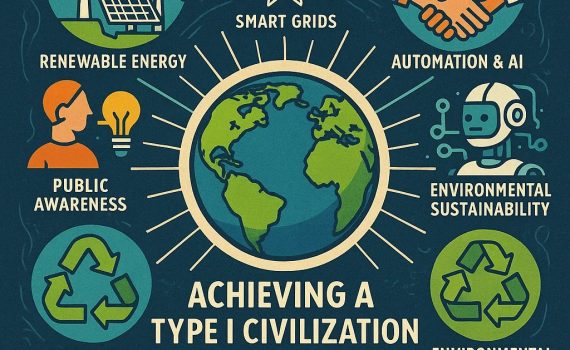
The transition to a Type I Civilization represents a transformative leap in human development, one that will require concerted efforts across various domains. From harnessing renewable energy sources to the development of a global energy infrastructure and the incorporation of cutting-edge technologies, the path to a planetary-scale civilization is both complex and multifaceted.

- "Recently I made a noodle soup using Nigerian pepper soup as a base, and it was fantastic." - "The ideas listed are focused on food ingredients, exploring business opportunities in the world of ingredients." - "The Culinary Exploration Companion is a revolutionary app that combines the convenience of mobile technology with the richness of global cuisine." - "Embark on a culinary adventure like no other by conceptualizing a food cart van chain that brings the concepts of online ingredient emporiums and the food ingredients evolution and migration app to life."