Preamble: A New Energy Drinks Paradigm
The global energy drink market stands at a fascinating crossroads. Valued at nearly $90 billion and projected to exceed $130 billion by 2028, this dynamic industry faces an unprecedented paradox: while consumers increasingly seek energy, focus, and performance enhancement, they simultaneously demand natural, healthier, and culturally authentic alternatives to the synthetic formulations that have dominated the market for decades.
This shift presents an extraordinary opportunity for Africa’s rich botanical heritage to reframe what “energy” means in the modern world. In Parts 1 , 2 , 3 and 4 of this series we considered Building the Future of Food Part 1: A Global Superfood & Herbal Knowledge Platform , Building the Future of Food Part 2: The Strategic Commercialisation of Ogogoro as a candidate Use Case , Building the Future of Food Part 3: Herbal Remedies and Traditional Medicine and Building the Future of Food Part 4: Hot Drinks, Coffee, Tea, Beverages and Desserts
Building on our previous explorations this fifth instalment examines how the continent’s natural stimulants, cultural rituals, and functional botanicals can spearhead the next generation of energy drinks.
The central question is compelling: Can Africa’s indigenous energy traditions challenge the Red Bull-Monster duopoly and create an entirely new category of culturally-grounded, health-conscious energy beverages?
The Current Energy Landscape: Titans and Transformation
The contemporary energy drink ecosystem is characterized by clear market hierarchies and emerging disruptions. At the apex sit the undisputed titans—Red Bull and Monster Energy—commanding global recognition through aggressive marketing, extreme sports sponsorships, and ubiquitous distribution networks. Red Bull’s “gives you wings” messaging and Monster’s subcultural appeal to gaming and motorsports communities have created powerful brand ecosystems that extend far beyond mere beverages.
The second tier features aggressive challengers like Celsius, Bang, and Reign, each carving distinct niches through specialized positioning. Celsius has masterfully captured the health-conscious fitness demographic, particularly women, by marketing itself as a metabolism-boosting “fitness drink” rather than a traditional energy beverage. Bang targeted the bodybuilding community with high-caffeine formulations and bold branding, while Reign represents Monster’s strategic response to this fitness-focused segment.
However, beneath this competitive intensity lies a fundamental market transformation. Today’s consumers—particularly millennials and Gen Z—increasingly prioritize:
- Health and Wellness: Zero-sugar formulations, natural sweeteners, and plant-based ingredients
- Functional Benefits: Adaptogens for stress management, nootropics for cognitive enhancement, and electrolytes for hydration
- Cultural Narratives: Authentic storytelling and lifestyle associations that transcend product features
- Sustainability: Environmental consciousness and ethical sourcing practices
This evolutionary trajectory creates unprecedented opportunities for African botanical traditions to enter and potentially revolutionize the global energy market.
Related concepts and research
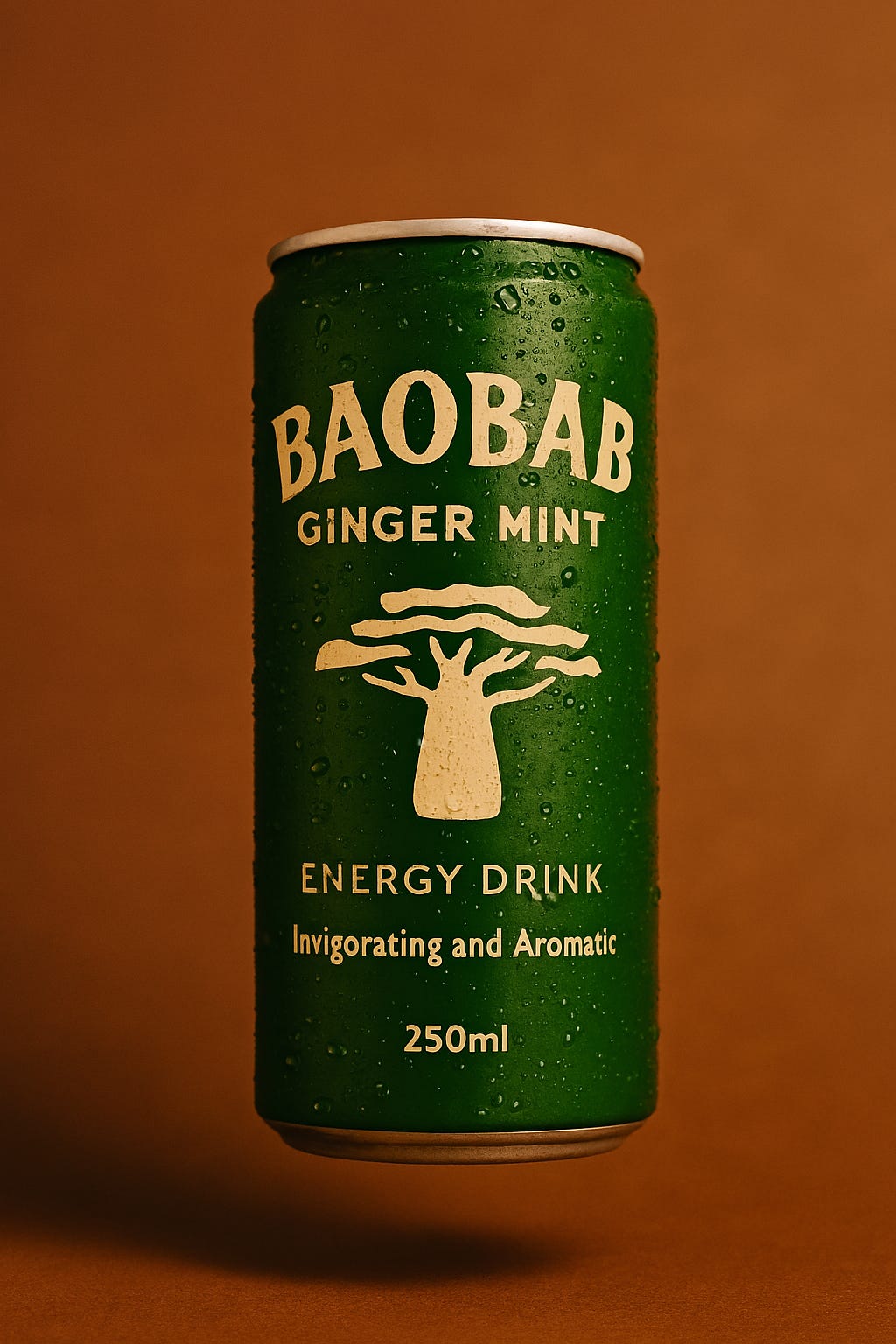
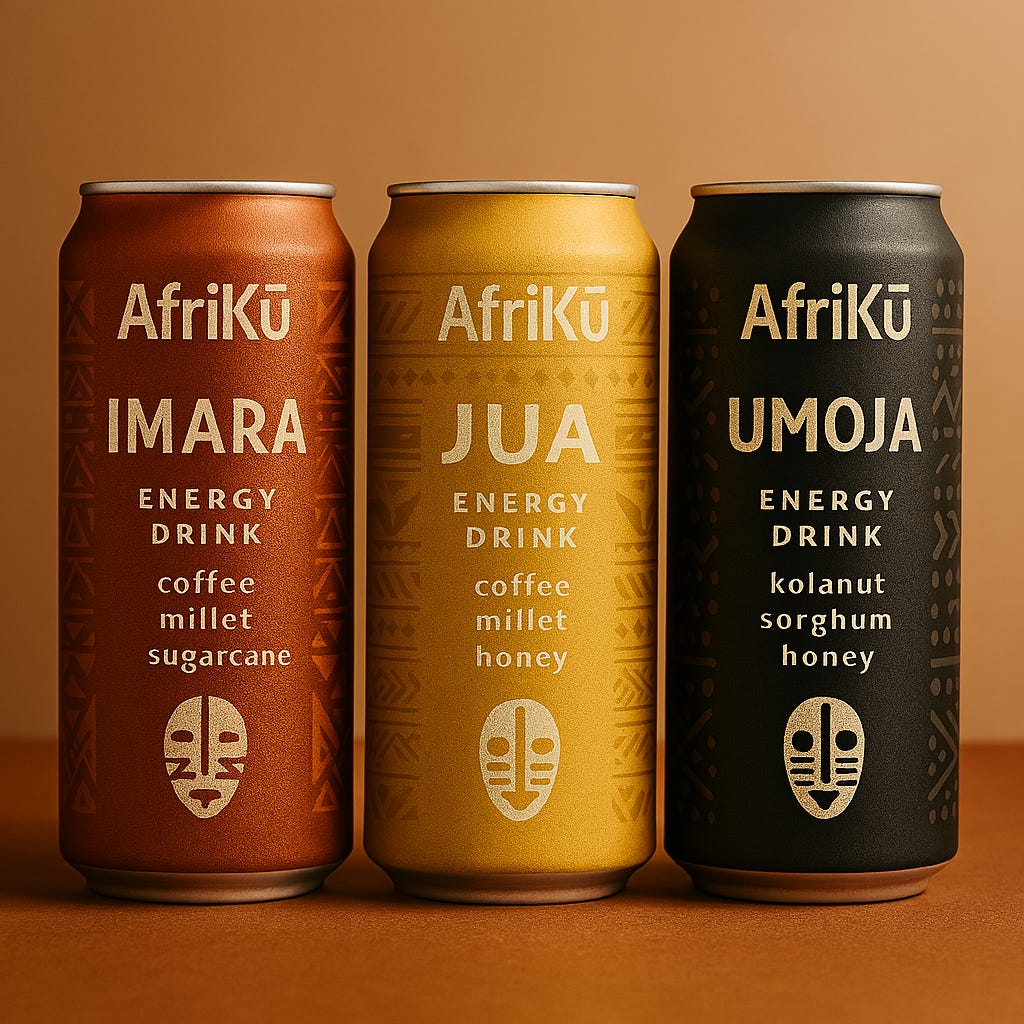
I explored three formulation concepts (placeholder names) , created a production playbook for one of them and a list of propective candidates these are artifacts: Three formulations and production playbook but if you consult a drinks consultant and conduct market research then starting with a blank canvas might be a good approach see : Concepts and formulations and Branding Concepts
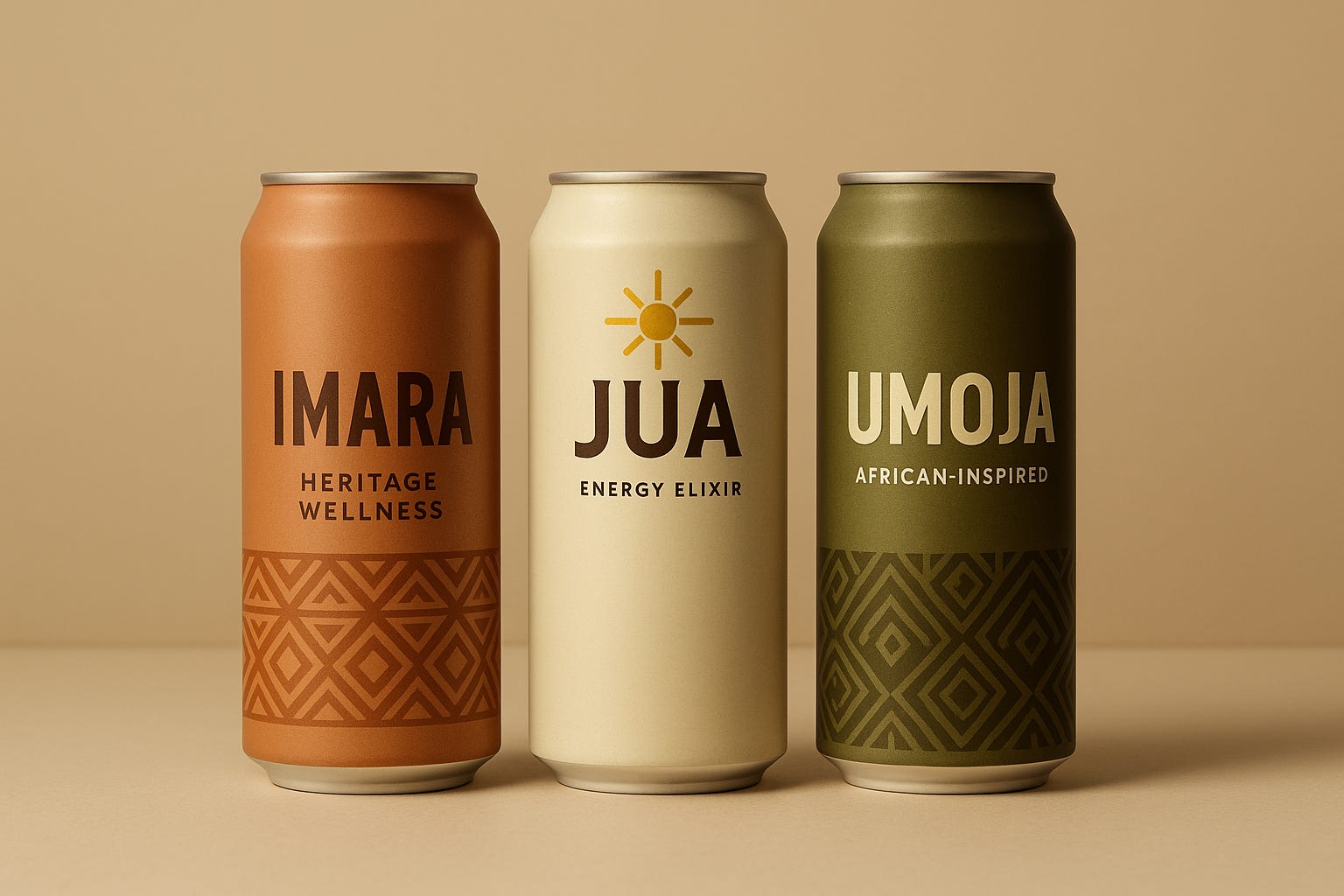
1. Imara Energy Drink Concept : Energy drink concept 1 Imara
A heritage wellness energy drink built on kola nut, sorghum malt, baobab, date syrup, hibiscus, and ginger. Offers layered Flavors (citrus, kola, malt, hibiscus), natural caffeine, antioxidants, and electrolytes. Competes with Red Bull and Monster by emphasizing African cultural roots, health benefits, and sustainability. Positioned in the “heritage wellness” niche with variants for athletes, creatives, and professionals.
2. JUA Energy Drink Concept 2: Energy drink concept 2 JUA
Jua, meaning “sun” in Swahili, is positioned as a functional botanical elixir rather than just an energy drink. It uses green coffee bean, kola nut, rooibos, baobab, honey, and dates to deliver natural energy, hydration, and digestive benefits. Strong cultural storytelling and ethical sourcing set it apart. Comes with segment-specific formulations (Focus, Endurance, Zest). Designed for premium positioning through authenticity, holistic health, and sustainability.
3. UMOJA Energy Concept and Market Analysis: UMOJA Energy
Presents UMOJA as an African-inspired premium natural energy drink built on kola nut, sorghum, honey, baobab, hibiscus, and ginger. Positions itself against global leaders through superior flavour complexity, cultural authenticity, sustainability, and functional wellness. Includes brand concepts, packaging ideas, heritage storytelling, and phased market strategy (US diaspora, Europe, Africa). Long-term goal: establish UMOJA as a global cultural icon and category leader in natural energy.
4. UMOJA Energy Playbook and Production Plan : UMOJA Energy production plan v6
A detailed operations and production manual for UMOJA Energy, including formulation, ingredient sourcing, fermentation processes, micronutrient fortification, quality control, and regulatory pathways. It outlines variants such as UMOJA Sport (electrolyte/protein boost), UMOJA Focus (nootropic/adaptogenic blend), and UMOJA Ritual (premium artisanal edition). Provides extensive plans for patents, certifications, clinical trials, supply chain, and pilot production, ensuring market readiness.
5. The global energy drink market: Outline energy drinks market summary and competitor analysis
6.Curated list of prospective candidates and drinks profile the limitation of above is taste and combinations ignore above and start with a blank page
Africa’s Energy drinks Arsenal: Beyond Caffeine
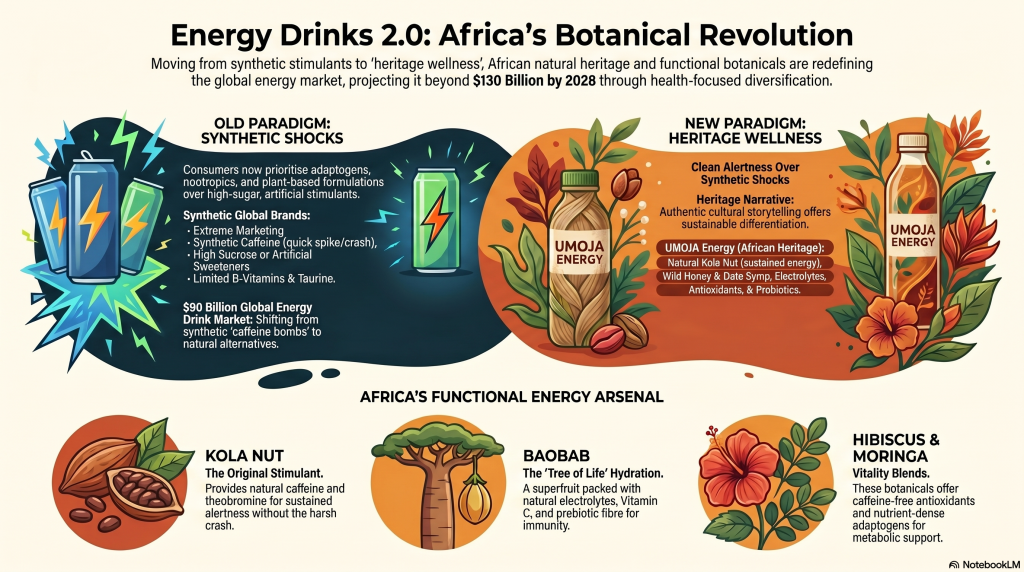
Africa possesses an unparalleled portfolio of natural energy ingredients that align perfectly with emerging consumer preferences. Unlike the synthetic caffeine bombs that characterize current market leaders, these botanicals offer complex functional profiles rooted in millennia of traditional use:
Kola Nut (Cola acuminata and Cola nitida)
The foundation of modern cola beverages, kola nuts contain natural caffeine and theobromine, providing sustained alertness without the harsh crash associated with synthetic stimulants. Traditionally central to West African ceremonies and social rituals, kola nuts carry profound cultural significance that can anchor authentic brand narratives. The ingredient’s historical connection to the original Coca-Cola formula provides inherent consumer recognition and legitimacy.
Hibiscus (Bissap)
Rich in antioxidants, vitamin C, and natural tartaric acids, hibiscus offers caffeine-free vitality that appeals to health-conscious consumers seeking alternatives to high-stimulant products. Already popular in global wellness markets as “hibiscus tea,” this botanical remains underdeveloped in ready-to-drink energy segments, presenting significant commercial opportunities.
Baobab Fruit
Often called the “tree of life,” baobab provides natural electrolytes, high vitamin C content, and fiber, positioning it perfectly within the growing “hydration + energy” subcategory. Its immune-supporting properties and sustainability story—baobab trees can live for thousands of years—appeal to environmentally conscious consumers.
Moringa
This “miracle tree” offers exceptional nutritional density, including amino acids, minerals, and adaptogenic qualities that support sustained energy without stimulant dependence. Moringa’s versatility allows for integration into various formulation strategies, from pure energy drinks to functional wellness beverages.
Fermented Grain Beverages
Traditional drinks like kunu (sorghum-millet blends) and tella provide slow-release energy through complex carbohydrates while supporting gut health through natural fermentation processes. These beverages can evolve into hybrid sports-energy drinks with distinctly African identity and superior functional benefits.
Strategic Positioning: Energy Drinks 2.0
Rather than attempting to replicate the aggressive, synthetic approach of existing market leaders, African energy drinks can establish an entirely distinct global category through three core positioning strategies:
1. Health-First Differentiation
African botanical energy drinks can lead the industry’s evolution toward natural, functional formulations. By emphasizing “clean alertness” through plant-based ingredients, zero-sugar formulations, and absence of artificial additives, these products can capture the growing segment of professionals, creatives, and wellness-conscious consumers who seek energy without compromising their health values.
2. Cultural Energy Rituals
Traditional African energy practices offer rich narrative foundations that transcend mere product marketing. Kola nut ceremonies can be repositioned as global rituals of focus and community building, while hibiscus and baobab consumption can be connected to heritage stories of endurance and resilience. This cultural authenticity provides sustainable competitive differentiation that synthetic brands cannot replicate.
3. Innovation Through Heritage
African energy drinks can pioneer hybrid formulations that combine traditional wisdom with modern nutritional science. Examples include:
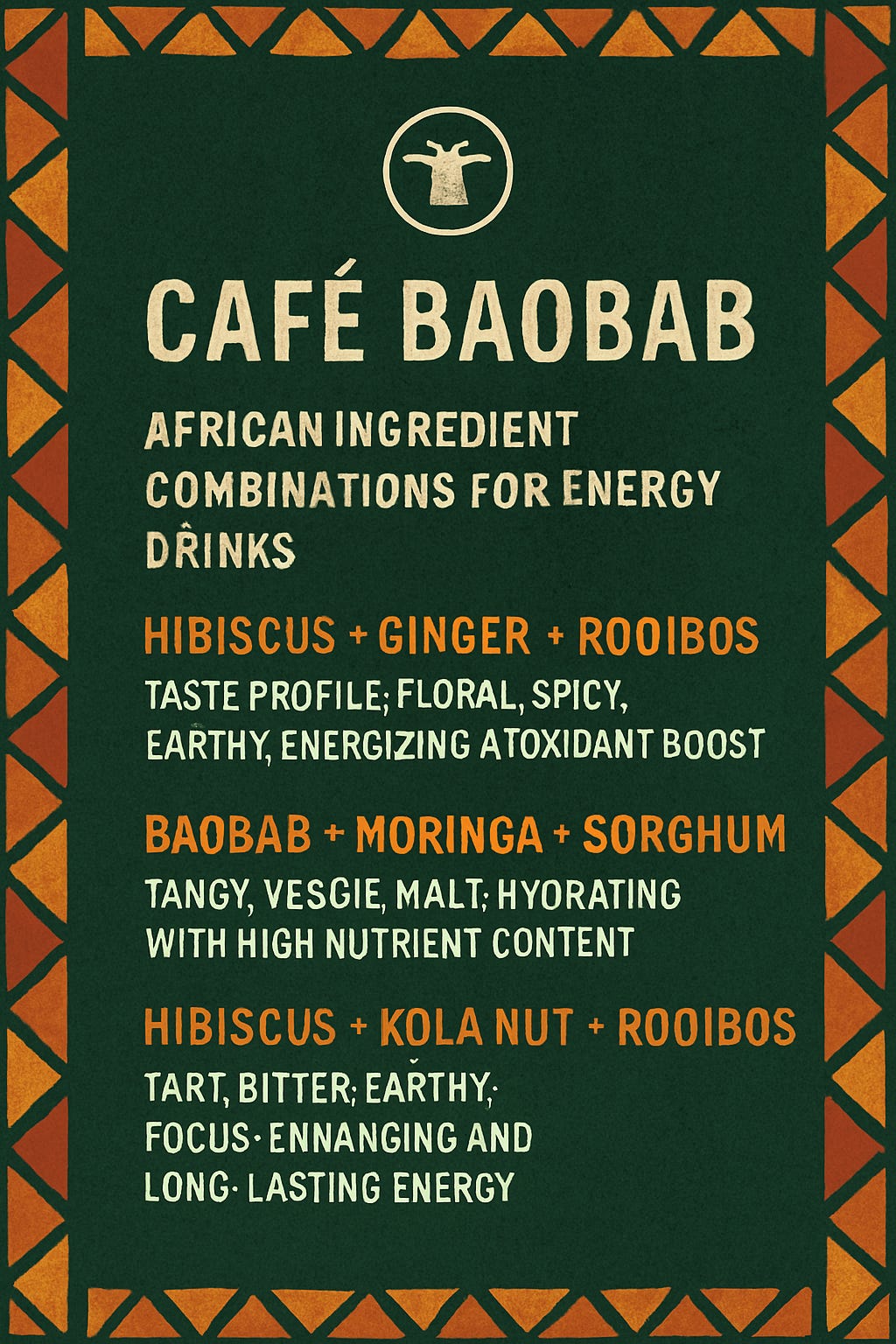
- Hibiscus + green coffee extract (antioxidants + natural caffeine)
- Baobab + electrolyte complexes (hydration + immunity)
- Kola nut + moringa blends (traditional stimulation + modern adaptogens)
- Fermented sorghum + probiotics (sustained energy + gut health)
Market Entry Strategy: A Phased Approach
Following the successful frameworks established in previous parts of this series, African energy drinks can achieve global market penetration through systematic phases:
Phase 1: Diaspora Anchoring
Initial market entry should target African diaspora communities in major metropolitan areas—London, New York, Paris, Toronto, and others. These consumers provide natural authenticity validation while offering relatively accessible distribution channels through specialty stores, cultural centers, and community events. Limited production runs of premium kola-hibiscus or baobab-infused energy drinks, accompanied by compelling storytelling, can establish market presence and generate consumer feedback.
Phase 2: Wellness Penetration
Positioning products within health food stores, fitness centers, yoga studios, and wellness-focused retail environments allows direct competition with brands like Celsius by emphasizing clean energy and functional benefits. This phase requires emphasis on ingredient transparency, third-party testing, and health professional endorsements to build credibility within wellness communities.
Phase 3: Premium Lifestyle Integration
Developing partnerships with African-fusion restaurants, specialty cafés, and cultural festivals introduces energy drinks as experiential lifestyle products rather than mere functional beverages. This approach mirrors Red Bull’s community-building strategy while maintaining cultural authenticity and premium positioning.
Phase 4: Mass Market Scaling
The final phase involves ready-to-drink line development for mainstream supermarkets and convenience stores, supported by strategic partnerships with major distributors, influencer marketing campaigns, and potentially esports sponsorships that align with target demographics.
Overcoming Market Challenges
The energy drink market presents significant barriers that African brands must navigate strategically:
Regulatory Compliance
High caffeine content remains controversial globally, with increasing scrutiny from health organizations and potential regulatory restrictions. African energy drinks must emphasize natural caffeine sources, appropriate dosing, and comprehensive safety testing to preempt regulatory challenges while maintaining efficacy.
Distribution Competition
Shelf space in convenience stores and supermarkets is fiercely contested, with established brands commanding premium placement through substantial retailer investments. New African brands require compelling differentiation, strong margins, and potentially direct-to-consumer strategies to overcome distribution barriers.
Supply Chain Development
Reliable sourcing of kola nuts, baobab, moringa, and other African botanicals requires significant investment in farmer partnerships, processing infrastructure, and quality control systems. This challenge also represents an opportunity to develop sustainable, traceable supply chains that support African agricultural communities while ensuring product consistency.
Cultural Authenticity Balance
Scaling African energy drinks globally requires careful navigation between commercial success and cultural respect. Brands must engage meaningfully with source communities, ensure fair compensation, and avoid cultural appropriation while making products accessible to diverse consumer bases.
The Competitive Opportunity
The timing for African energy drink market entry is particularly favorable due to several convergent factors:
Market Disruption Readiness: Consumers are actively seeking alternatives to established brands, creating openness to new entrants with compelling differentiation.
Health Trend Acceleration: The wellness movement continues expanding beyond niche markets into mainstream consumer behavior, favoring natural and functional products.
Cultural Authenticity Demand: Global consumers increasingly value authentic cultural narratives and heritage-based products, particularly among younger demographics.
Sustainability Priorities: Environmental consciousness and ethical sourcing considerations favor African botanicals with strong sustainability stories.
Digital Marketing Advantages: Social media platforms and direct-to-consumer models enable new brands to build communities and reach consumers without traditional retail barriers.
Investment and Development Outlook
The convergence of market trends, consumer preferences, and African botanical potential creates compelling investment opportunities across multiple dimensions:
Agricultural Development: Long-term contracts with African farmers for kola nut, baobab, hibiscus, and moringa cultivation can support rural economic development while securing sustainable supply chains.
Processing Innovation: Investment in specialized processing facilities for African botanicals can create value-added agricultural sectors while ensuring product quality and consistency.
Brand Development: Marketing and brand development focused on cultural authenticity and health positioning can establish strong competitive moats in the evolving energy drink landscape.
Research and Development: Scientific validation of traditional African energy ingredients can support regulatory compliance while creating intellectual property advantages.
Conclusion: Energizing Global Markets Through African Heritage
The global energy drink market’s evolution toward health-conscious, culturally authentic products creates an unprecedented opportunity for African botanical traditions to achieve global commercial success. Unlike previous attempts to simply adapt Western business models to African contexts, this opportunity allows African heritage to lead global market transformation.
The pathway forward requires coordinated effort across multiple stakeholders:
- Entrepreneurs and investors must recognize the commercial potential of African energy botanicals and commit resources to systematic development
- Farmers and cooperatives can benefit from long-term partnerships that provide stable incomes while preserving traditional cultivation practices
- Researchers and scientists should continue validating the functional benefits of African energy ingredients to support regulatory approval and consumer confidence
- Cultural leaders and communities must engage in ensuring that commercial development respects traditional knowledge while creating economic opportunities
The energy drink market’s shift from synthetic stimulation to natural vitality mirrors broader consumer evolution toward authenticity, health, and cultural connection. African energy drinks are positioned not merely as market participants but as category creators—establishing “Energy Drinks 2.0” that integrate heritage wisdom with modern nutritional science.
If Parts 1-4 of this series laid the groundwork for Africa’s role in global food innovation, Part 5 demonstrates how Africa can literally energize the world. The question is no longer whether African energy drinks can compete globally, but whether global markets are ready for the authentic, healthy, and culturally rich energy solutions that Africa is uniquely positioned to provide.
The opportunity is substantial, the timing is optimal, and the potential for both commercial success and cultural preservation is unprecedented. The future of energy drinks may well be rooted in the ancient wisdom of African botanical traditions, scaled through modern business innovation, and delivered to global consumers seeking authentic alternatives to synthetic stimulation.
The energy revolution begins not in corporate laboratories, but in African soil—where kola nuts, baobab fruits, and hibiscus flowers have been providing natural vitality for millennia. Now, they’re ready to energize the world.