Preamble
Tourism has often relied on surface-level attractions and standardized narratives, leaving deeper cultural layers underexplored. The Cultural Nexus Framework offers a shift in perspective, positioning culture not as a static product but as a living, evolving archive co-created by communities. This model builds bridges between local traditions and global audiences, enabling regions to harness their unique cultural assets for sustainable tourism and economic growth. By integrating storytelling, artistic collaboration, and digital platforms, the framework establishes a pathway for places to cultivate experiences that are both authentic and regenerative.
An adaptation or inspiration applied to United kingdom The Resonance Project
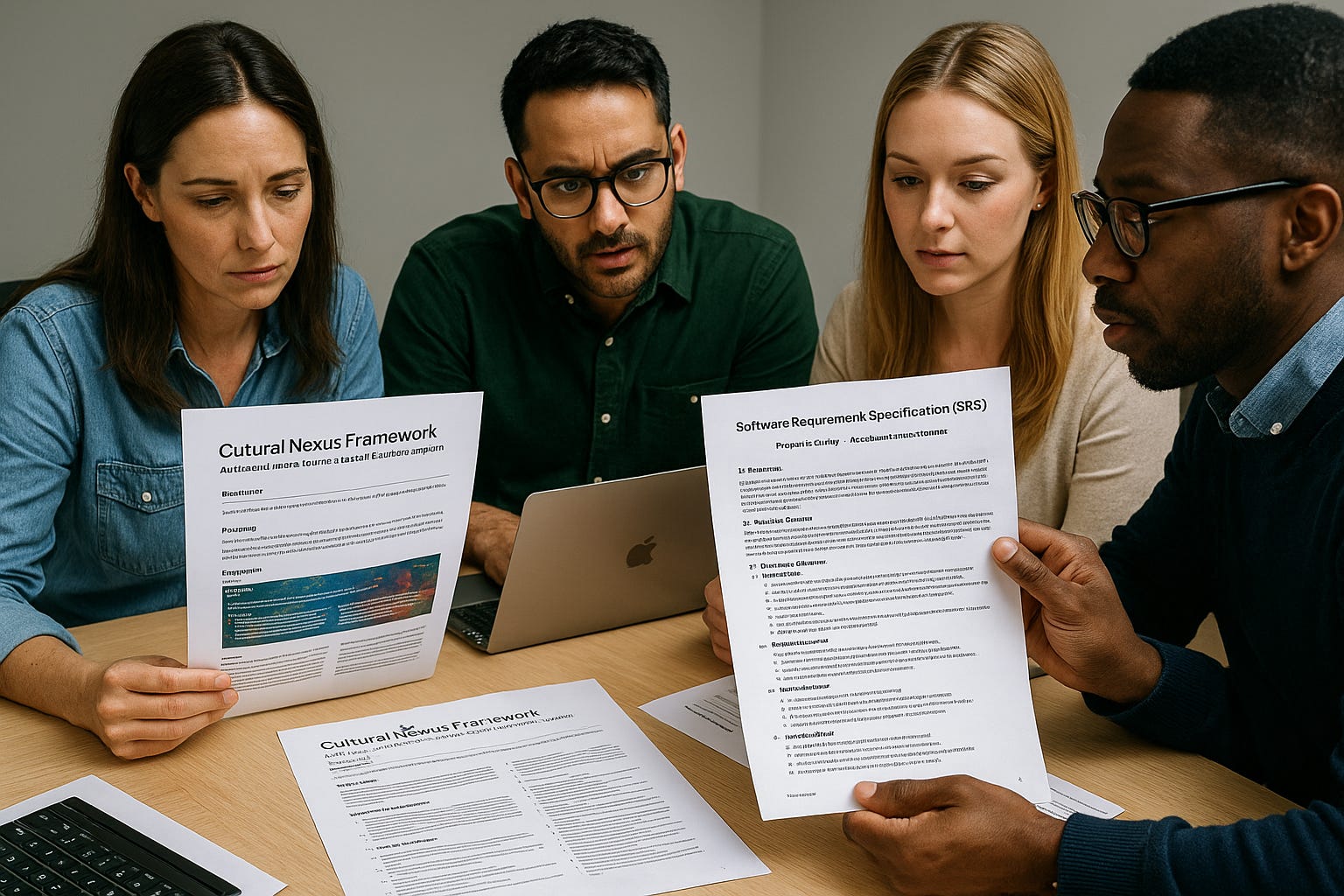
- Britain Cultural Tourism Initiative.docx – Describes the “British Canvas” and “Camera Obscura” projects for promoting British tourism through creative collaboration.
- Strategic Analysis.docx – A strategic review and enhanced framework for the “Resonance” project, proposing the “Project Nexus” masterbrand.
- Cultural_Nexus_Multi_Tab_With_Metrics.xlsx – A spreadsheet detailing projects, features, educational tools, engagement methods, and success metrics for the cultural initiative.
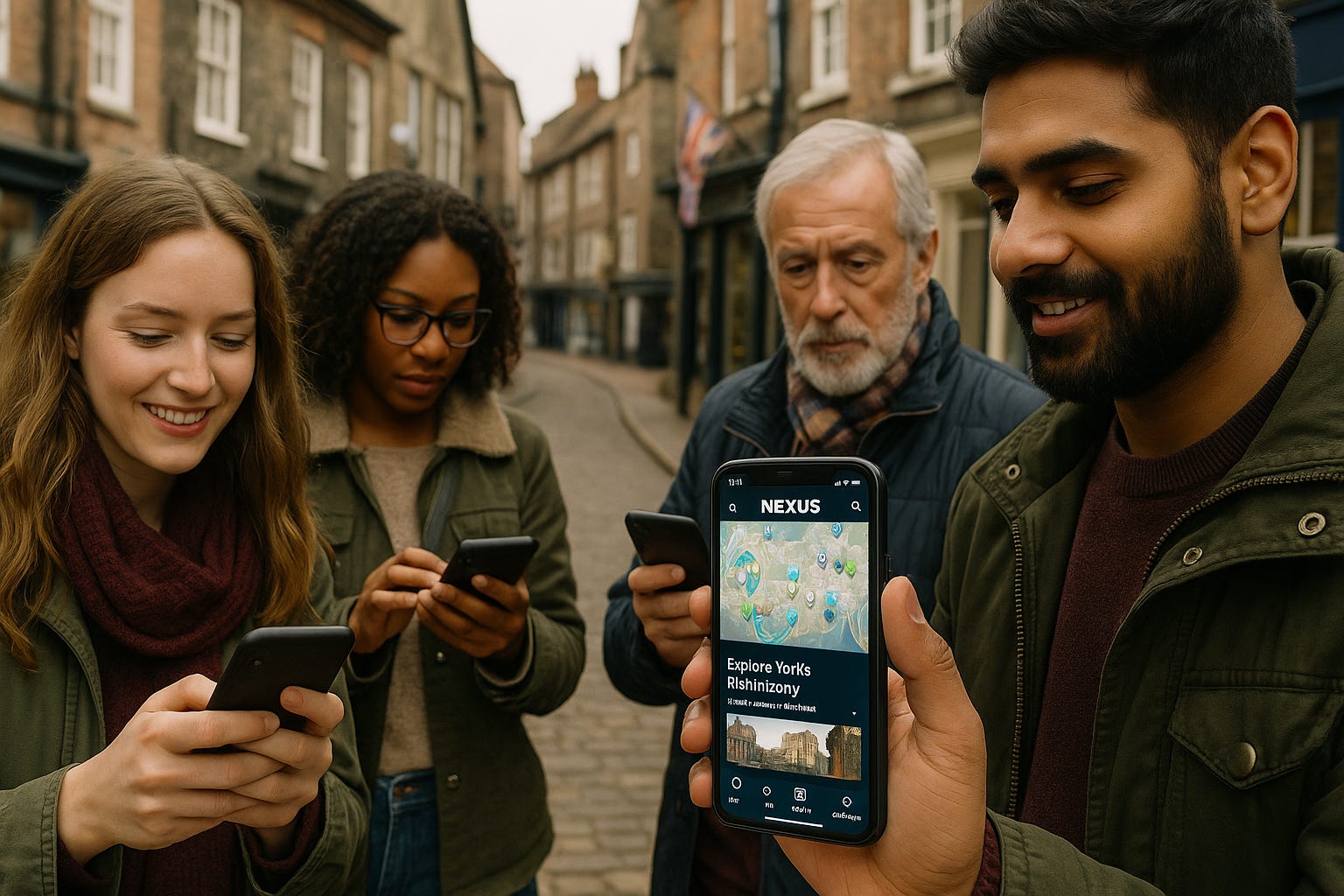
- Software Requirements Specification Cultural nexus.docx – The technical requirements document for the “Project Nexus App,” a cultural tourism platform. Inspired by TikTok, Instagram and Spotify discovery
- How to Get Locals to Participate.docx – A guide on strategies and digital tools to encourage local community involvement in cultural storytelling
- Nexus Platform SRS: Generic SRS that can be localised
Executive Summary
The Cultural Nexus Framework is a replicable methodology for transforming any region’s cultural assets into sustainable tourism experiences through collaborative storytelling, community engagement, and integrated digital platforms. This approach moves beyond traditional destination marketing to create living cultural archives that evolve continuously through local participation and creative collaboration. as with all frameworks take the best practice , inspiration innovate and adapt
Core Philosophy: The Living Archive Approach
Central Thesis: Every place has stories, spaces, and creative potential that can be amplified through systematic documentation, artistic interpretation, and community collaboration to create authentic, sustainable tourism experiences.
Key Principles:
- Authenticity over Marketing: Community voices drive content creation
- Collaboration over Competition: Multiple creative disciplines work together
- Evolution over Static Content: Continuous documentation and updating
- Integration over Fragmentation: All elements connect through unified platforms
The Dual-Pillar Framework
Pillar 1: Creative Resonance (Artistic Interpretation)
Purpose: Transform local culture into collaborative artistic experiences
Methodology:
- Thematic Exploration: Identify 4-6 core regional themes
- Natural landscapes (mountains, rivers, deserts, etc.)
- Urban dynamics and architecture
- Traditional vs. contemporary culture
- Economic/industrial heritage
- Community celebrations and rituals
- Historical narratives and folklore
- Multi-Disciplinary Collaboration:
- Musicians: Compose soundscapes inspired by local sounds, traditional music, and contemporary interpretations
- Visual Artists: Create installations, murals, and digital art reflecting regional identity
- Performers: Develop spoken word, theatrical pieces, and storytelling performances
- Writers: Craft narratives connecting historical and contemporary experiences
- Architects/Designers: Reimagine spaces through temporary installations or permanent enhancements
- Filmmakers: Document the creative process and produce accompanying visual content
- Community Integration:
- Host workshops where locals share stories, memories, and traditions
- Record “Public Voices” segments with residents explaining their connection to places
- Involve local educational institutions in research and documentation
- Output Formats:
- Quarterly multimedia releases (digital albums, video series, art installations)
- Pop-up exhibitions in high-traffic locations
- Immersive experiences combining sound, visual art, and performance
- Limited edition collectibles and merchandise
Pillar 2: Cultural Mapping (Documentary Archive)
Purpose: Create comprehensive, continuously updated documentation of local spaces and experiences
Methodology:
- Systematic Documentation:
- Train local photographers/videographers in storytelling techniques
- Develop interview protocols for capturing personal connections to places
- Create standardized content formats while maintaining creative flexibility
- Interactive Digital Platform:
- Geographic Interface: Map-based navigation showing all documented locations
- Layered Content: Toggle between different content types (historical, seasonal, event-based)
- Search Functions: Filter by theme, time of year, accessibility, family-friendly options
- User Contributions: Allow locals and visitors to submit their own discoveries
- Content Categories (Adaptable to Any Region):
- Hidden Gems: Local favorites unknown to mainstream tourism
- Seasonal Highlights: Best times to visit specific locations
- Community Voices: Personal stories and connections to places
- Cultural Hotspots: Where creativity and community thrive
- Natural Wonders: Landscapes through local perspectives
- Built Heritage: Stories behind architectural and urban spaces
- Dynamic Features:
- Real-time event calendar integration
- Weather-responsive content recommendations
- Accessibility information for inclusive tourism
- Offline downloadable content for remote areas
Implementation Methodology
Phase 1: Foundation (Months 1-3)
- Stakeholder Mapping:
- Identify local tourism boards, cultural organizations, educational institutions
- Connect with existing creative communities
- Establish relationships with potential corporate partners
- Cultural Asset Inventory:
- Conduct comprehensive audit of existing cultural resources
- Map current tourism patterns and gaps
- Identify unique regional characteristics and stories
- Community Engagement Launch:
- Host town halls explaining the project
- Recruit local ambassadors and content creators
- Establish feedback mechanisms for ongoing community input
Phase 2: Pilot Creation (Months 4-9)
- First Theme Development:
- Select most compelling regional theme for inaugural project
- Assemble creative team mixing local and external talent
- Begin systematic documentation of key locations
- Technology Platform Development:
- Build basic interactive map functionality
- Establish content management systems
- Create mobile-responsive user interfaces
- Partnership Activation:
- Secure initial funding through grants and local business partnerships
- Establish media relationships for launch coverage
- Create educational program pilots with schools
Phase 3: Launch and Iteration (Months 10-18)
- Public Release:
- Multi-channel marketing campaign
- Community celebration events
- Media and influencer engagement
- Data Collection and Analysis:
- Monitor user engagement patterns
- Track tourism impact metrics
- Gather feedback from participants and visitors
- Continuous Improvement:
- Refine content based on user behavior
- Expand to additional themes and locations
- Develop advanced features (AR integration, personalization)
Novel Implementation Ideas
1. The Residency Model
- Invite artists to spend 2-4 weeks in specific locations
- Provide housing with local families or community organizations
- Document the creative process as content for the archive
- Create lasting installations or performances as legacy pieces
2. Intergenerational Storytelling Circles
- Pair elderly community members with young content creators
- Record conversations about how places have changed over time
- Create “Then and Now” content showing evolution of spaces
- Build living oral history archives
3. Seasonal Activation Cycles
- Develop content calendars that highlight different aspects throughout the year
- Create “micro-festivals” around content releases
- Establish traditions that give tourists reasons to return
- Build weather-responsive content recommendations
4. Corporate Integration Beyond Sponsorship
- Transportation Partners: Create themed travel routes and packages
- Hospitality Partners: Develop “cultural immersion” accommodation experiences
- Technology Partners: Co-develop AR/VR experiences for remote engagement
- Food/Retail Partners: Create products that tell regional stories
5. Educational Exchange Programs
- Partner with universities to bring students for documentation projects
- Create internship programs in cultural tourism development
- Establish sister-city relationships for cross-cultural content creation
- Develop curriculum for cultural tourism methodologies
Measurement and Success Metrics
Quantitative Indicators
- Digital Engagement: Platform usage, content shares, user-generated contributions
- Tourism Impact: Visitor numbers to featured locations, length of stays, spending patterns
- Economic Development: Local business revenue increases, job creation in creative sectors
- Community Participation: Number of locals involved as contributors, event attendance
Qualitative Indicators
- Cultural Preservation: Documentation of stories and traditions at risk of being lost
- Community Pride: Surveys measuring local residents’ connection to their culture
- Visitor Satisfaction: Quality of experience ratings and return visit intentions
- Creative Development: Growth in local artistic communities and cultural programming
Sustainability Model
Revenue Streams
- Content Licensing: Sell usage rights to tourism boards, media companies, educational institutions
- Premium Experiences: Ticketed immersive events, guided tours, workshops
- Product Sales: Art prints, music albums, books, branded merchandise
- Partnership Revenue: Percentage of bookings through integrated travel partners
- Grant Funding: Ongoing support from cultural and tourism development organizations
Long-term Viability
- Community Ownership: Gradual transition of management to local organizations
- Skills Development: Training locals in content creation, platform management, event coordination
- Scalable Technology: Platform architecture that can support multiple regions
- Knowledge Transfer: Documentation of methodologies for replication elsewhere
Risk Mitigation Strategies
Common Challenges and Solutions
Cultural Appropriation Concerns:
- Ensure local communities maintain editorial control over their stories
- Establish cultural advisory boards with community elders/leaders
- Provide attribution and compensation for all contributors
- Create protocols for sensitive historical or spiritual content
Technology Exclusion:
- Maintain offline alternatives for all digital content
- Provide technology training for community members
- Ensure platform accessibility for diverse users
- Create print materials for non-digital audiences
Tourism Overwhelm:
- Implement visitor management strategies for fragile locations
- Diversify featured locations to distribute tourism pressure
- Establish seasonal content to spread visitation throughout the year
- Work with communities to set appropriate boundaries
Funding Sustainability:
- Diversify revenue streams from project inception
- Build local capacity for ongoing fundraising
- Create endowment structures for long-term stability
- Develop replication licensing model for expansion revenue
Conclusion
The Cultural Nexus Framework represents a paradigm shift from extractive tourism marketing to regenerative cultural development. By centering community voices, fostering creative collaboration, and building sustainable technological infrastructure, this approach creates tourism experiences that benefit both visitors and residents while preserving and celebrating local culture.
This methodology can be adapted to any geographic region, cultural context, or scale of implementation, making it a versatile tool for destinations seeking authentic, sustainable tourism development in the 21st century.
This framework synthesizes best practices in community-based tourism, creative placemaking, and digital platform development into a replicable methodology for cultural tourism innovation worldwide.