Preamble
Your mission, should you choose to accept it, is to dive into this document and fish out the golden nuggets of wisdom that will turbocharge your career. As you grow and evolve, feel free to revisit these sections—think of it like returning to your favourite pizza joint only to discover even better toppings in every update. This is not a static relic; it is a living, breathing document that will morph, update, and occasionally purge outdated bits like last year’s fashion trends. Embrace the ride, and remember: change is inevitable, but so is career success (with a dash of humour along the way).Also do your research this is not the definitive or exhaustive edition, think of it as an accelerator. This supports How to Build a Future-Proof IT Business Analyst Career in 2025 (and Beyond)
Table of Contents
· Your Journey Begins Here
· The Foundation: Core Behavioural Excellence
· The Power Habits of Elite Business Analysts
· Navigating the Modern BA Landscape
· Building Your Professional Arsenal
· Strategic Career Advancement
· The Mentorship Advantage
· Measuring Your Growth
· Your Path Forward
1. Your Journey Begins Here
Welcome to your transformation as a business analyst. This guide serves as your strategic roadmap for building a future-proof career in business analysis—one that thrives amid technological disruption, evolving methodologies, and changing business landscapes.
What You’ll Achieve:
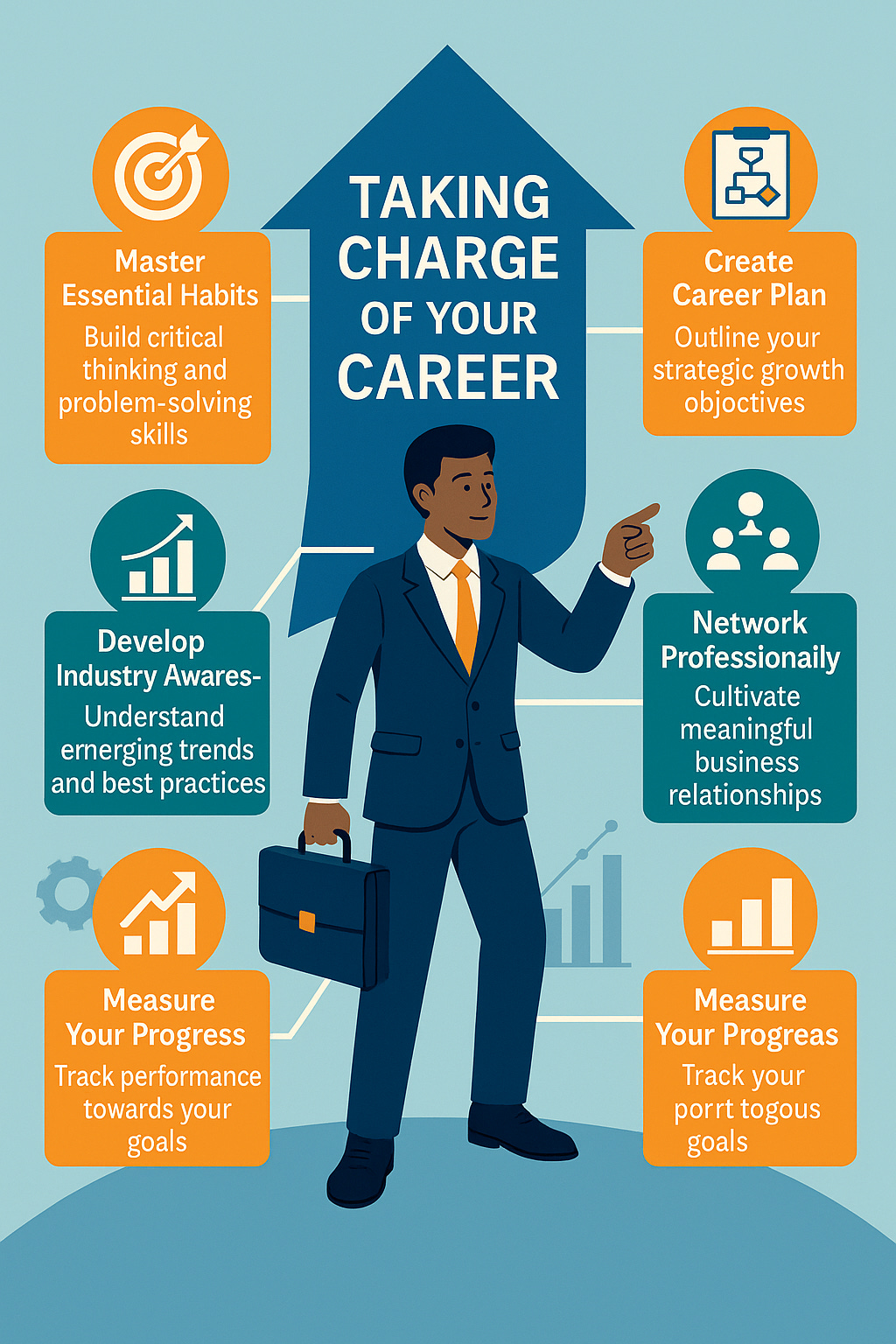
- Master the essential behaviours and habits that distinguish exceptional business analysts
- Develop deep industry awareness and technical proficiency
- Build a strategic career development plan
- Create lasting professional relationships through effective networking
- Establish measurable growth metrics for continuous improvement
Core Principles:
- Excellence Through Intentionality: Every skill developed and habit formed should serve your long-term career vision
- Adaptability as a Competitive Advantage: Embrace change as the fuel for professional growth
- Impact Over Activity: Focus on outcomes that drive real business value
2. The Foundation: Core Behavioural Excellence
The Future-Proof Mindset
Dynamic Adaptability In today’s rapidly evolving business environment, your ability to pivot, learn, and adapt determines your career trajectory. Cultivate flexibility in your thinking, approaches, and solutions.
Relentless Curiosity Transform “that’s how we’ve always done it” into “why do we do it this way, and how can we do it better?” Your questions should uncover root causes and reveal hidden opportunities.
Strategic Influence As a business analyst, you rarely have direct authority over outcomes. Your power lies in building trust, presenting compelling logic, and creating collaborative relationships that drive results.
Outcome-Centric Thinking Shift from delivering features to delivering business impact. Every requirement, every analysis, every recommendation should connect directly to measurable business value.
Cross-Functional Collaboration Break down silos by becoming the bridge between business and technology. Your role is to facilitate understanding and co-create solutions that serve all stakeholders.
Programme or Project History: Always find out what has been done previously and the documentation and outcome if its restart, old, reactivated or ongoing . Your stakeholders might have lost confidence and are fatigued from the project that never delivers. Manage stakeholder expectations and listen
3. The Power Habits of Elite Business Analysts
The 10 Transformational Habits
1. Master the Art of Strategic Questioning Ask “Why?” with purpose and persistence. Each question should peel back another layer of understanding until you reach the true business need.
2. Think in Business Outcomes, Not Technical Features Before proposing any solution, clearly articulate the business problem and the measurable impact your recommendation will create.
3. Become Bilingual: Business and Technology Develop fluency in both domains. Translate complex technical concepts for business stakeholders and business requirements for technical teams.
4. Visualize Everything Transform abstract concepts into clear visuals—process flows, user journeys, data models, and dashboards that make complexity simple.
5. Practice Active, Strategic Listening Listen not just to what is said, but to what is not said. Identify underlying concerns, unstated assumptions, and hidden agendas.
6. Collaborate Early and Continuously Involve stakeholders in solution design from the beginning. Co-creation builds buy-in and produces better outcomes.
7. Embrace Change as Your Competitive Edge View every change as an opportunity to learn, grow, and demonstrate your value as a strategic partner.
8. Commit to Lifelong Learning Stay ahead of industry trends, emerging technologies, and evolving methodologies. Your knowledge is your currency.
9. Influence Through Trust and Logic Build credibility through consistent delivery, transparent communication, and evidence-based recommendations.
10. Always Connect to the “So What?” Every insight, every analysis, every recommendation must answer: “So what? Why does this matter to the business?”
4. Navigating the Modern BA Landscape
High-Growth Career Paths
Emerging Opportunities:
- Business Analytics Specialist: Deep dive into data-driven insights and predictive modelling
- Digital Transformation Analyst: Lead organizational change in the digital age
- Product Business Analyst: Bridge product strategy and technical execution
- Agile Business Analyst: Master adaptive requirements in fast-paced environments
- AI/ML Business Analyst: Translate artificial intelligence capabilities into business value
- Cybersecurity Business Analyst: Protect business value through risk analysis
Market Intelligence (TBC it changes country and demand ):
- Average salary range: $75K-$120K+ (senior roles reaching $150K+)
- 14% projected job growth through 2030 (faster than average)
- Remote and hybrid opportunities expanding globally
Essential Technology Stack
Core Analysis Tools (or equivalent):
- Requirements Management: JIRA, Confluence, Azure DevOps
- Process Modelling: Lucidchart, Visio, Draw.io
- Collaboration: Miro, Figma, Slack, Microsoft Teams
- Data Analysis: Excel (advanced), SQL, Python/R, Tableau, Power BI
Emerging Technologies:
- AI-Assisted Analysis: ChatGPT, Claude, Jasper for research and documentation
- Automation Tools: Power Automate, Zapier for process optimization
- Cloud Platforms: AWS, Azure, Google Cloud for scalable solutions
- Business Intelligence: Snowflake, Databricks for advanced analytics
Methodological Mastery
Framework Proficiency:
- Agile/Scrum: User story creation, sprint planning, retrospectives
- Lean Six Sigma: Process improvement and waste elimination
- Design Thinking: Human-centred problem solving
- Business Process Management: End-to-end process optimization
5. Building Your Professional Arsenal
Knowledge Management System
Create Your BA Knowledge Repository:
- Industry-specific templates and frameworks
- Successful project case studies and lessons learned
- Tool tutorials and best practice guides
- Regulatory requirements and compliance checklists
- Stakeholder analysis templates and communication strategies
Leverage AI for Enhanced Productivity:
- Use AI tools to analyse large documents and extract key insights
- Generate first-draft requirements documentation
- Create meeting summaries and action items
- Research industry trends and competitive analysis
Domain Expertise Development
Industry Deep Dive:
- Financial Services: Regulatory compliance, risk management, trading systems
- Healthcare: HIPAA compliance, patient journey mapping, clinical workflows
- Retail/E-commerce: Customer experience optimization, inventory management
- Manufacturing: Supply chain analysis, quality management, IoT integration
- Technology: Product development, user experience, scalability planning
Business Acumen Building:
- Understand your organization’s business model and revenue streams
- Learn to read and interpret financial statements
- Identify key performance indicators and success metrics
- Map competitive landscape and market positioning
6. Strategic Career Advancement
Professional Network Development
Strategic Networking Approach:
- Internal Networks: Build relationships across departments and hierarchical levels
- Industry Associations: Join IIBA, Chartered BA UK, and local BA meetup groups
- Digital Presence: Maintain an active, professional LinkedIn profile
- Thought Leadership: Share insights through articles, presentations, and forums
- Mentorship Circles: Both seek mentors and mentor others
Networking Action Plan:
- Attend 2-3 industry events per quarter (or less)
- Engage meaningfully on LinkedIn 3-4 times per week (or less)
- Schedule monthly coffee chats with internal stakeholders
- Participate in professional forums and discussion groups
Continuous Learning Strategy
Certification Pathway:
UK or America :
How to Build a Future-Proof IT Business Analyst Career in 2025 (and Beyond)
Learning Portfolio:
- Formal Education: University courses, bootcamps, professional programs
- Online Learning: Coursera, Udemy, Pluralsight, LinkedIn Learning
- Company-Sponsored: Internal training programs, conference attendance (there is always free or sponsored learning resources and money in medium to big companies)
- Self-Directed: Industry publications, webinars, podcast subscriptions
Personal Brand Development
Professional Identity Building:
- Define your unique value proposition as a business analyst
- Develop a portfolio of successful projects and measurable outcomes
- Create thought leadership content in your area of expertise
- Seek speaking opportunities at conferences and industry events
7. The Mentorship Advantage (Optional)
Why Mentorship Accelerates Success
Exponential Learning Benefits:
- Gain insights from real-world experience without making costly mistakes
- Access to hidden job opportunities and industry connections
- Personalized feedback on skills, performance, and career trajectory
- Accountability partner for professional development goals
- Strategic guidance for navigating organizational politics and challenges
Finding the Right Mentor
Mentor Selection Criteria:
- 5-10 years ahead of you in career progression
- Working in your target industry or role
- Demonstrates the skills and behaviours you want to develop
- Has a track record of developing others
- Aligns with your professional values and working style
Mentorship Engagement Strategy:
- Come prepared with specific questions and challenges
- Set clear expectations and boundaries for the relationship
- Take ownership of your development and follow through on commitments
- Show gratitude and respect for your mentor’s time and expertise
- Look for opportunities to add value to your mentor’s work or network
8. Measuring Your Growth
Business Analysis Competency Assessment
Rate yourself (1-5 scale) in each core competency:
Analytical Excellence
- Requirements elicitation and analysis
- Problem decomposition and root cause analysis
- Data interpretation and insight generation
- Solution evaluation and recommendation development
Stakeholder Mastery
- Stakeholder identification and analysis
- Communication and presentation skills
- Conflict resolution and negotiation
- Change management and adoption support
Technical Proficiency
- Tool mastery (analysis, modelling, documentation)
- Data analysis and visualization
- Process modelling and optimization
- System thinking and integration
Methodological Knowledge
- Agile/Scrum practices and ceremonies
- Requirements management frameworks
- Business process improvement methodologies
- Project management fundamentals
Strategic Thinking
- Business acumen and industry knowledge
- Strategic planning and roadmap development
- Innovation and creative problem-solving
- Risk assessment and mitigation planning
Growth Action Planning
Quarterly Development Cycle:
- Assessment: Complete competency evaluation and identify gaps: BA Competency assessment
- Goal Setting: Define specific, measurable development objectives
- Learning Plan: Create detailed action steps with timelines
- Execution: Implement learning activities and practice opportunities
- Review: Measure progress and adjust approach for next quarter
Career Milestone Tracking:
- Document successful projects and quantifiable business impact
- Track salary progression and role advancement
- Monitor network growth and relationship quality
- Measure skill development through certifications and assessments
9. Your Path Forward: A Call to Excellence
Embracing Your Transformation
You stand at the threshold of an extraordinary career in business analysis—a profession that sits at the intersection of technology and business strategy, where your insights can drive organizational transformation and create lasting value.
Your Competitive Advantages:
- Analytical Rigor: Your ability to dissect complex problems and synthesize clear solutions
- Strategic Thinking: Your capacity to see the big picture while managing intricate details
- Communication Excellence: Your skill in translating between technical and business domains
- Adaptability: Your readiness to evolve with changing technologies and methodologies
The Excellence Commitment
Make These Commitments Today:
- I will cultivate the 10 power habits that distinguish exceptional business analysts from the merely competent
- I will stay current with industry trends and emerging technologies that shape our profession
- I will build meaningful professional relationships through strategic networking and mentorship
- I will measure my growth consistently and adjust my development plan based on results
- I will contribute to the business analysis community by sharing knowledge and supporting others
Your Next Actions
This Week:
- Complete your initial competency self-assessment
- Identify one mentor candidate and reach out for an introductory conversation
- Sign up for one relevant industry publication or newsletter
- Update your LinkedIn profile to reflect your BA career focus
This Month:
- Join a professional association (IIBA or UK equivalent )
- Register for a relevant certification course or online learning program
- Attend a local meetup or virtual industry event
- Start building your knowledge repository with templates and resources
This Quarter:
- Complete your first certification or advanced course
- Establish regular mentorship meetings
- Create thought leadership content (article, presentation, or forum post)
- Implement at least three of the 10 power habits in your daily work
Your Legacy in Business Analysis
Remember that your career as a business analyst is not just about personal success—it is about the problems you solve, the value you create, and the positive impact you have on organizations and the people within them. Every requirement you clarify, every process you improve, and every insight you generate contributes to a more efficient, effective, and innovative business world.
The path ahead is challenging but filled with opportunity. The tools, frameworks, and strategies in this guide provide your roadmap. Your commitment, curiosity, and persistence will determine how far you travel.
Your journey to business analysis excellence begins now. Take the first step.
Additional Resources
Essential Reading
- “Business Analysis Body of Knowledge (BABOK)” – IIBA
- “The Lean Startup” by Eric Ries
- “Thinking, Fast and Slow” by Daniel Kahneman
- “The Phoenix Project” by Gene Kim, Kevin Behr, and George Spafford
Professional Organizations
- International Institute of Business Analysis (IIBA)
- Project Management Institute (PMI)
- Business Analysis Professionals of North America (BAPNA)
- Local BA meetup groups and chapters
Learning Platforms
- Coursera Business Analysis Specializations
- Udemy Business Analysis courses
- LinkedIn Learning BA career paths
- Pluralsight data analysis and tools training
Industry Publications
- BA Times Magazine
- Harvard Business Review
- MIT Sloan Management Review
- Modern Analyst website and community
Your success as a business analyst is limited only by your commitment to continuous growth and your dedication to creating value for others. The world needs skilled business analysts who can navigate complexity and drive meaningful change. Be one of them.