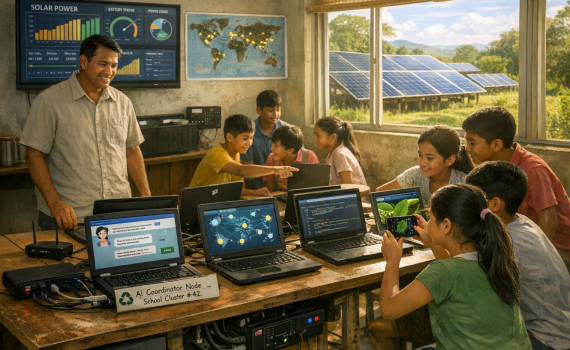
A new model for AI infrastructure uses clusters of repurposed laptops instead of expensive cloud servers. This approach lowers cost, reduces electronic waste, supports renewable power, and gives schools, clinics, and communities local control over their AI systems.
Daily Archives: February 4, 2026
4 posts
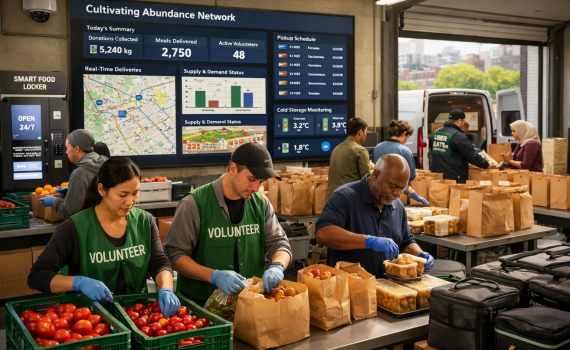
Soup kitchens can do more than serve hot meals. This framework shows how they can convert near expiry surplus into frozen meals and operate a reliable delivery pipeline for homebound individuals using AI, cold chain infrastructure, and coordinated logistics.
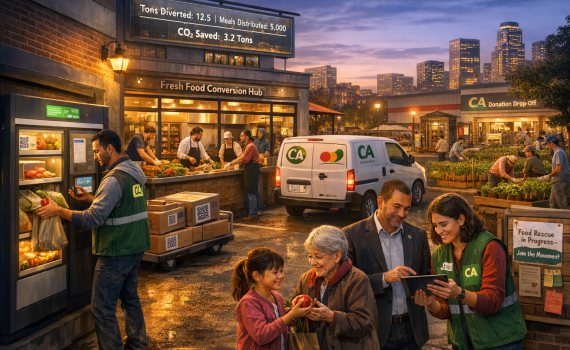
Cities already produce enough food, yet waste and hunger coexist. The Cultivating Abundance framework treats food access as infrastructure, not charity. It aligns policy, logistics, technology, and community networks into a measurable, city scale resilience system.
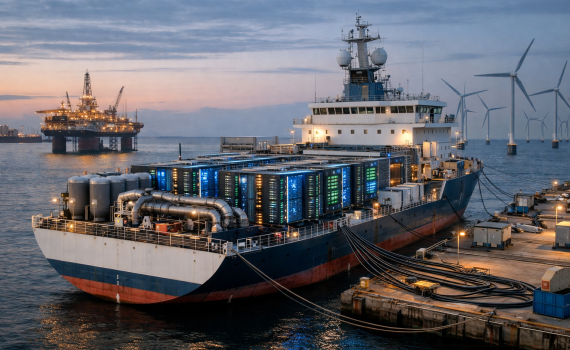
Ship-based AI compute platforms transform ships into mobile, sovereign data centers—bringing compute directly to power, ports, and fiber. This article breaks down the real-world architecture, economics, and use cases behind floating AI infrastructure.