
AI has made prototypes cheap. The difficult work remains: turning lawful evidence, user needs and modern architecture into a product that enterprises can trust, support and adopt.
Yearly Archives: 2026
54 posts
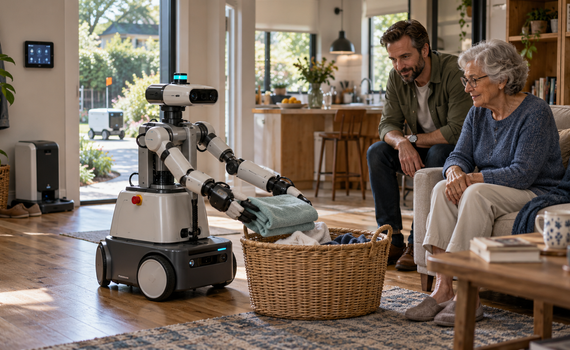
Domestic robots are already useful in narrow roles. The challenge is not building a general household helper, but proving which tasks deserve a physical machine and what support system makes it safe.

Most organisations do not fail because they lack ideas. They fail because they put ideas in the wrong category. A bridge technology gets dismissed as a compromise. A revival candidate gets mistaken for an obsolete asset. A platform gets treated like a product. A product that should end survives because it has internal champions. This article looks at eight real cases, including Kodak, Xerox PARC, ASML, Java, Google Reader, Stadia, RISC-V, Arm and IBM PC, to show how companies decide what to build, spin out, archive, open, license, sell or let die.

State of Play moves beyond market reports. It links evidence, scenarios, risk and organisational capability so leaders can test strategic options before committing capital, policy or resources.
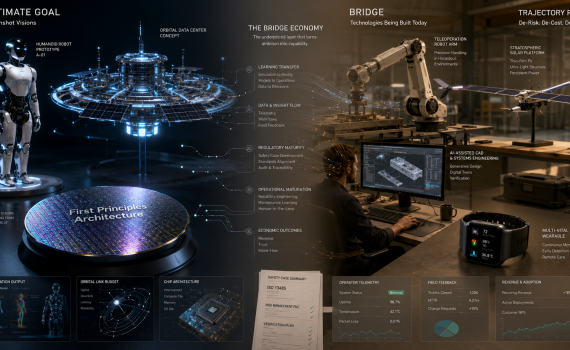
The future rarely arrives fully formed. Before the moonshot becomes real, something quieter usually ships first: a teleoperated robot, an AI-assisted design tool, a diagnostic kiosk, or a narrow infrastructure layer that solves today’s problem while preparing the ground for tomorrow’s breakthrough. This article introduces the bridge economy: the overlooked layer of transitional technologies that sit between current constraints and ultimate technological ambitions.

Outdoor noise control is moving beyond passive barriers. A new generation of active noise cancellation, AI-driven acoustic zoning, metamaterials, spatial audio, and digital twins could help cities, events, airports, venues, and developers manage sound more intelligently.