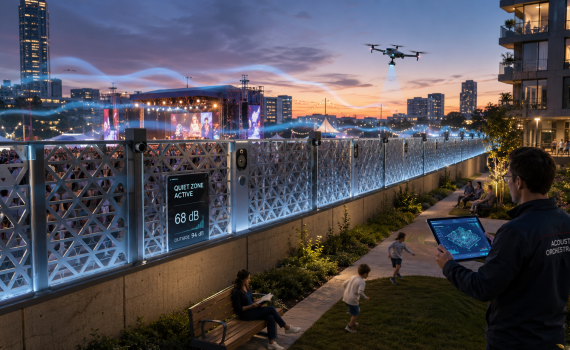
Outdoor noise control is moving beyond passive barriers. A new generation of active noise cancellation, AI-driven acoustic zoning, metamaterials, spatial audio, and digital twins could help cities, events, airports, venues, and developers manage sound more intelligently.
innovation
207 posts

AI in June 2026 has moved beyond software hype into infrastructure, governance, energy, finance and workforce transformation. This article explores the current state of AI, the most likely futures through 2031, and the risks that could reshape the industry.
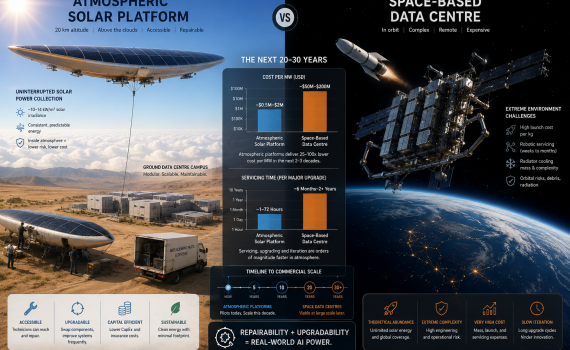
Artificial Intelligence is creating unprecedented demand for electricity, forcing governments, hyperscalers, and researchers to rethink how future data centres will be powered. While orbital data centres and space-based solar power capture public imagination, atmospheric solar platforms may offer a more practical, scalable, and economically viable solution over the next two decades. This article compares atmospheric, ocean-based, terrestrial, nuclear, and space energy architectures to determine which technologies are best positioned to support the next generation of AI infrastructure.

Most people think ice is a simple commodity. Yet behind every restaurant, cocktail bar, hospital, event, fishery, and construction project lies a surprisingly sophisticated industry worth billions of dollars annually. This article explores the evolving ice business, from traditional bagged ice and industrial cooling to premium cocktail products, AI-powered production, robotics, sustainability initiatives, and emerging entrepreneurial opportunities across global markets.
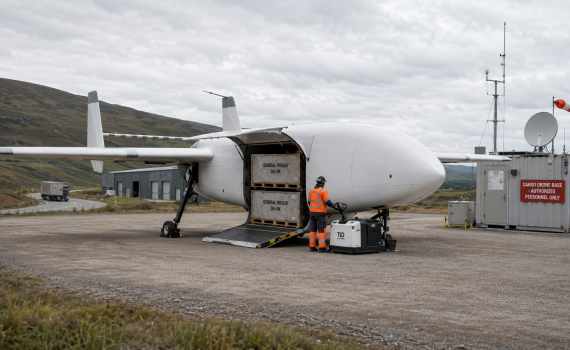
Cargo drones are shifting from experimental pilots to early commercial logistics systems. This article explores their market landscape, technology stack, infrastructure needs, regulatory challenges, stakeholders and realistic path to scale.
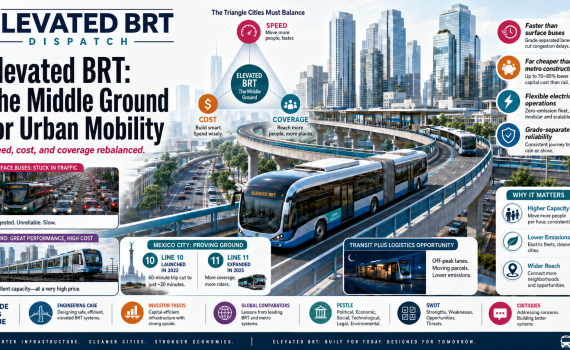
Elevated BRT could become one of the most practical urban mobility tools for cities that need rail-like reliability without full metro costs. Mexico City’s Trolebús Elevado shows how grade-separated electric buses can cut journey times, improve access, support underserved districts, and even open new logistics opportunities when infrastructure is underused.