
AI agents are moving beyond chatbots into systems that can act, call tools, store memory, trigger workflows, and influence public signals. This article explores the rise of agentic threats, external agent sprawl, information bombs, and the emerging debate over whether we need an Anti-Agent Firewall.
Blog
274 posts
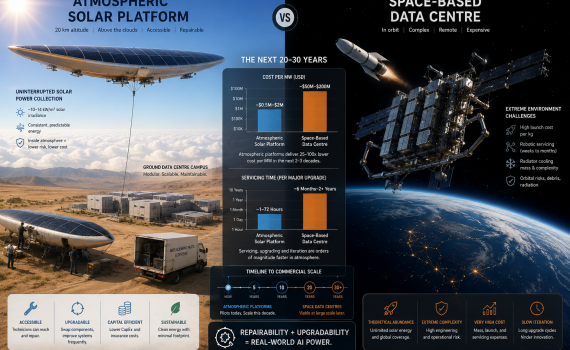
Artificial Intelligence is creating unprecedented demand for electricity, forcing governments, hyperscalers, and researchers to rethink how future data centres will be powered. While orbital data centres and space-based solar power capture public imagination, atmospheric solar platforms may offer a more practical, scalable, and economically viable solution over the next two decades. This article compares atmospheric, ocean-based, terrestrial, nuclear, and space energy architectures to determine which technologies are best positioned to support the next generation of AI infrastructure.

Agentic AI is transforming the enterprise, but governance is lagging behind adoption. As organizations deploy thousands of AI agents across SaaS platforms, RPA workflows, embedded applications, and emerging vibe-coded solutions, a new risk is emerging: AI Agent Sprawl. This article explores why AI governance, agent registries, ownership, security, auditing, and lifecycle management will become essential capabilities for every modern enterprise.

Most people think ice is a simple commodity. Yet behind every restaurant, cocktail bar, hospital, event, fishery, and construction project lies a surprisingly sophisticated industry worth billions of dollars annually. This article explores the evolving ice business, from traditional bagged ice and industrial cooling to premium cocktail products, AI-powered production, robotics, sustainability initiatives, and emerging entrepreneurial opportunities across global markets.
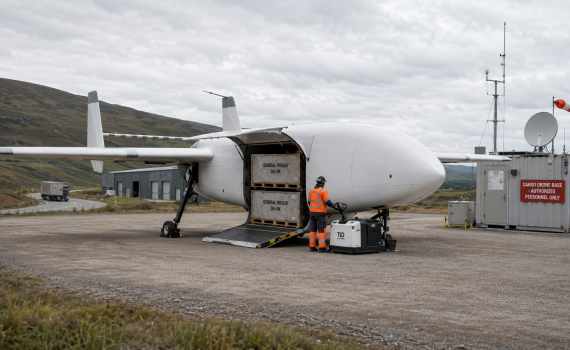
Cargo drones are shifting from experimental pilots to early commercial logistics systems. This article explores their market landscape, technology stack, infrastructure needs, regulatory challenges, stakeholders and realistic path to scale.
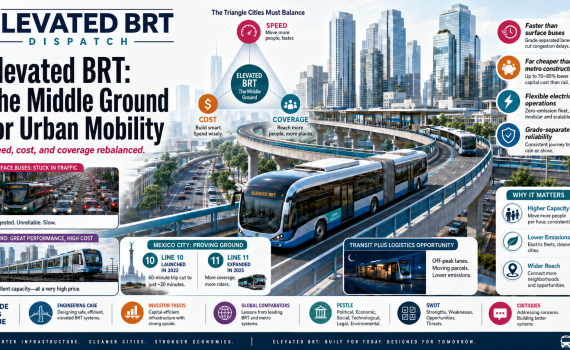
Elevated BRT could become one of the most practical urban mobility tools for cities that need rail-like reliability without full metro costs. Mexico City’s Trolebús Elevado shows how grade-separated electric buses can cut journey times, improve access, support underserved districts, and even open new logistics opportunities when infrastructure is underused.