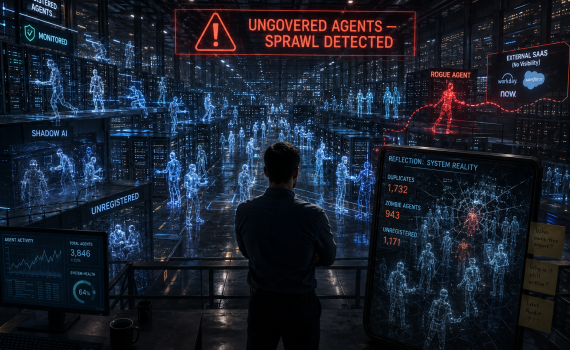
Agentic AI is transforming the enterprise, but governance is lagging behind adoption. As organizations deploy thousands of AI agents across SaaS platforms, RPA workflows, embedded applications, and emerging vibe-coded solutions, a new risk is emerging: AI Agent Sprawl. This article explores why AI governance, agent registries, ownership, security, auditing, and lifecycle management will become essential capabilities for every modern enterprise.
AI
86 posts
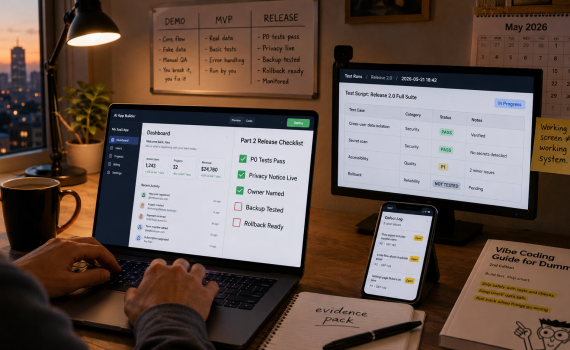
Vibe coding can turn ideas into working software fast, but a working screen is not the same as a safe product. This article explains how founders, solo builders, citizen developers and enterprise teams can use AI app builders responsibly by applying release gates, test scripts, documentation, privacy checks, access controls and human review before real users or real data are involved.
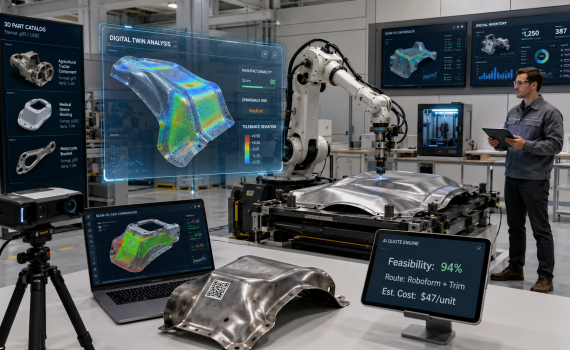
A new manufacturing stack is emerging where products are scanned, modelled, simulated, visualized, produced, inspected and stored as reusable digital artifacts. This article explains the rise of the Robotic Product Foundry and why it matters for local production, global supply chains, the Global South and the future workforce.

The Perpetual Printer challenges the disposable printer model with a repairable, modular, open-source design built for long-term ownership. Instead of locking users into cartridges, subscriptions, and short product lifecycles, it proposes a durable platform with refillable ink, swappable components, AI-assisted maintenance, and a community-powered upgrade ecosystem.

This article develops the synthetic organism as a disciplined alternative to both speculative AGI and shallow agentic automation. Building from the Abstraction Fallacy, it argues that AI systems should not claim consciousness through scale, complexity, or embodiment. Instead, artificial agency can be designed as a governed, memory-bearing, context-aware, and auditable system bounded by what creators can describe, test, supervise, and govern.

Vibe coding has made software creation faster than ever, but it has also made it easier to confuse something that works with something that is safe, scalable, and ready for real users. This article examines what vibe coding actually is, where it breaks down, and how non-programmers, solo programmers, citizen developers, and enterprise teams can use it responsibly. It covers requirements, governance, security, accessibility, demo versus MVP versus production, and the Two-AI workflow as a practical way to stay agile without losing control.