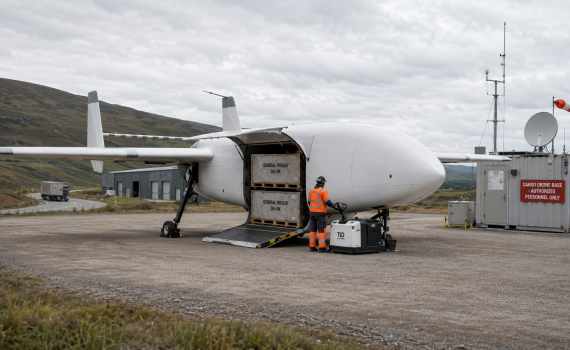
Cargo drones are shifting from experimental pilots to early commercial logistics systems. This article explores their market landscape, technology stack, infrastructure needs, regulatory challenges, stakeholders and realistic path to scale.
technology
161 posts
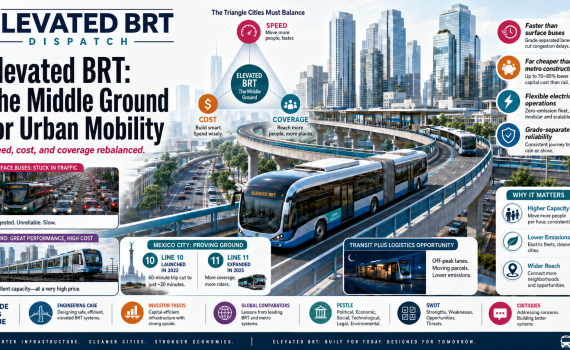
Elevated BRT could become one of the most practical urban mobility tools for cities that need rail-like reliability without full metro costs. Mexico City’s Trolebús Elevado shows how grade-separated electric buses can cut journey times, improve access, support underserved districts, and even open new logistics opportunities when infrastructure is underused.

Vibe coding can turn ideas into working software fast, but a working screen is not the same as a safe product. This article explains how founders, solo builders, citizen developers and enterprise teams can use AI app builders responsibly by applying release gates, test scripts, documentation, privacy checks, access controls and human review before real users or real data are involved.
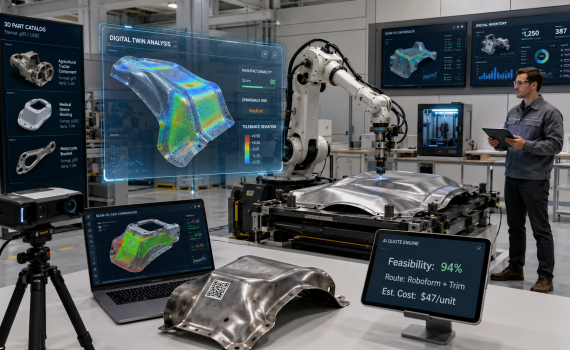
A new manufacturing stack is emerging where products are scanned, modelled, simulated, visualized, produced, inspected and stored as reusable digital artifacts. This article explains the rise of the Robotic Product Foundry and why it matters for local production, global supply chains, the Global South and the future workforce.

The Perpetual Printer challenges the disposable printer model with a repairable, modular, open-source design built for long-term ownership. Instead of locking users into cartridges, subscriptions, and short product lifecycles, it proposes a durable platform with refillable ink, swappable components, AI-assisted maintenance, and a community-powered upgrade ecosystem.

This article develops the synthetic organism as a disciplined alternative to both speculative AGI and shallow agentic automation. Building from the Abstraction Fallacy, it argues that AI systems should not claim consciousness through scale, complexity, or embodiment. Instead, artificial agency can be designed as a governed, memory-bearing, context-aware, and auditable system bounded by what creators can describe, test, supervise, and govern.